
Complete Guide to Hotel Kitchen Equipment in Kenya

Professional Hotel Kitchen Equipment Solutions for Hospitality Success

Get Expert Consultation

Transform Your Hotel Kitchen with Professional Equipment

Setting up a successful hotel kitchen in Kenya requires strategic planning, quality equipment, and deep understanding of hospitality operations. Whether you're launching a boutique hotel in Nairobi or expanding your existing property, choosing the right hotel kitchen equipment solutions for Kenya can make or break your guest experience.

The hospitality industry in Kenya has evolved dramatically over the past decade. Hotels now serve diverse international guests while maintaining authentic local flavors. This shift demands sophisticated commercial catering equipment that handles everything from traditional Kenyan breakfast to continental cuisine, room service, and large banquet events.
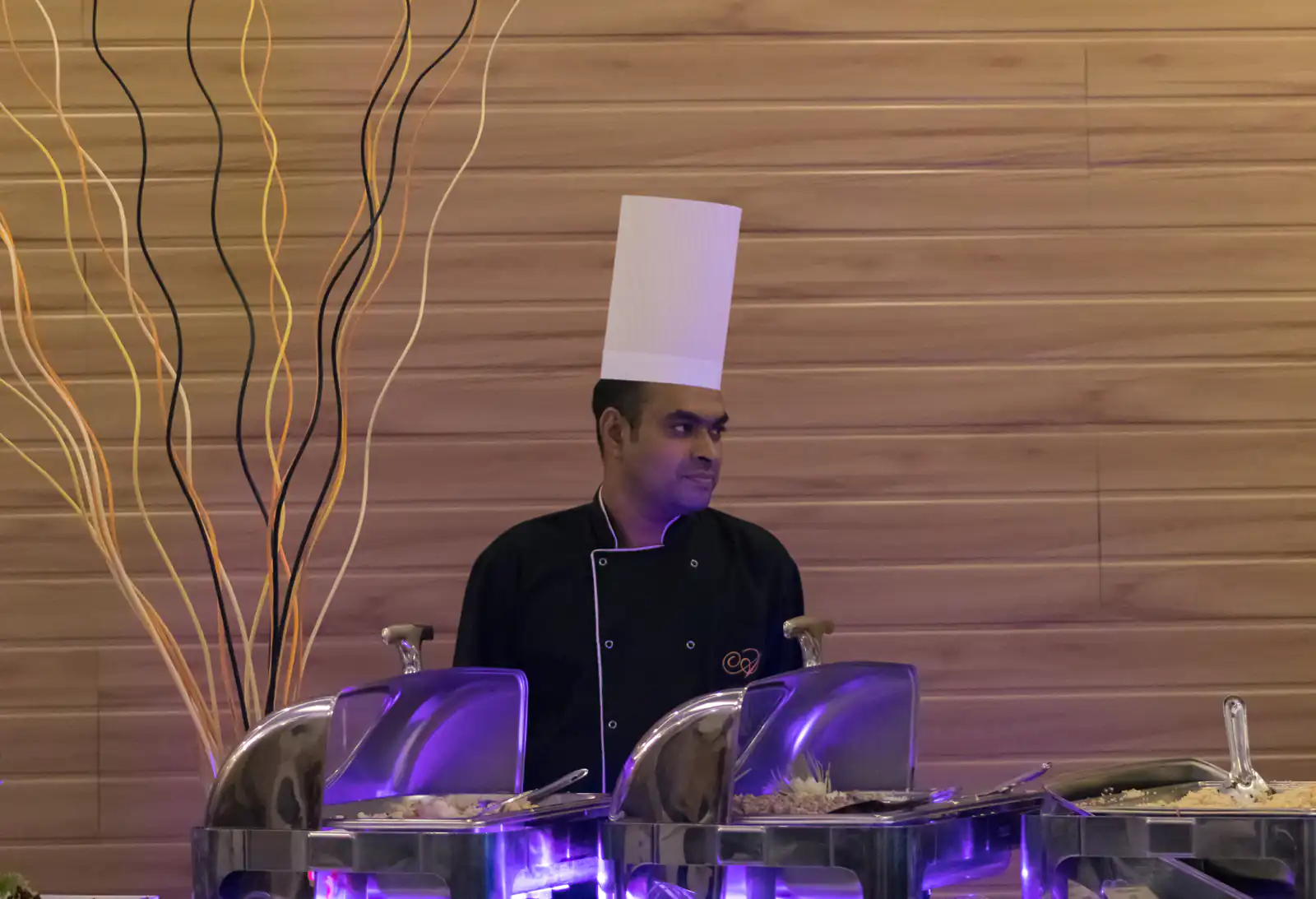
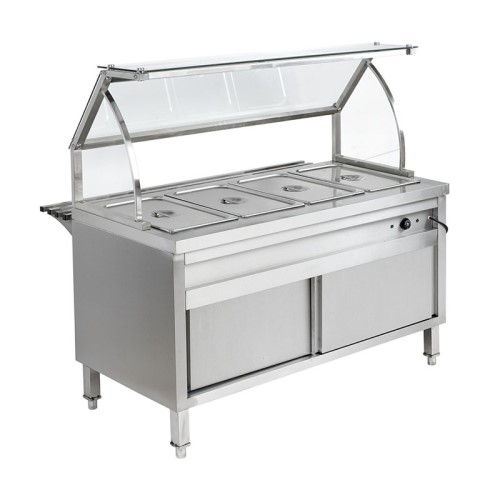
Chef behind hotel buffet equipment serving station showing NKC display equipment
24/7
Operation Capability
300+
Banquet Capacity
100+
Breakfast Service
20+
Years Experience

Large-Scale Cooking Equipment for Hotel Operations

Combi Ovens

KSh 1,040,000 - 1,950,000

Combi ovens represent the workhorse of modern hotel kitchen equipment installations in Kenya. These versatile units combine steam, convection, and combination cooking modes within a single piece of equipment. Their programmable controls ensure consistent results whether your chef is preparing 50 chicken breasts or 200 vegetable portions.

Tilting Skillets/Braising Pans

KSh 585,000 - 1,040,000

Tilting skillets offer incredible versatility for hotel kitchens handling diverse menu requirements. These units function as large-capacity frying pans, braising vessels, griddles, and even soup kettles. The tilting mechanism simplifies ingredient addition, stirring, and product removal.

Commercial Steamers

KSh 455,000 - 845,000

Steam cooking preserves nutritional value while accommodating health-conscious guests increasingly common in Kenya's hospitality market. Commercial steamers handle large vegetable quantities, rice preparation, and protein cooking with minimal energy consumption.

Blast Chillers

KSh 780,000 - 1,560,000

Food safety regulations and HACCP compliance make blast chillers essential for any serious hotel kitchen equipment installation in Kenya. These units rapidly cool cooked foods from serving temperature to safe storage temperatures.

Ready to Upgrade Your Hotel Kitchen?

Get professional consultation from Kenya’s leading hospitality equipment experts.
We’ll design a solution that fits your needs and budget.

Breakfast Service Equipment Solutions

🍳

Buffet Equipment

Steam table configurations form the foundation of successful hotel breakfast buffets. Proper hot food wells maintain optimal serving temperatures while preserving food quality throughout extended service periods.

KSh 1,300,000 - 2,340,000

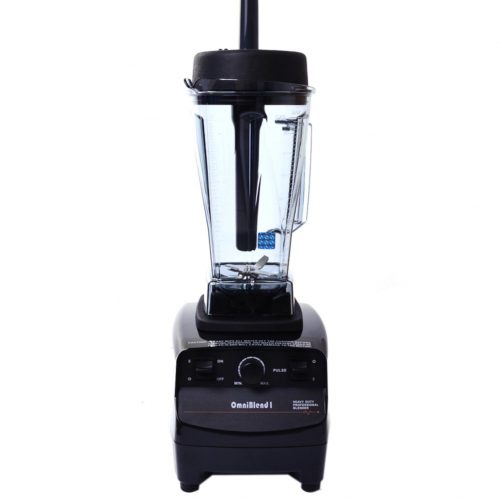
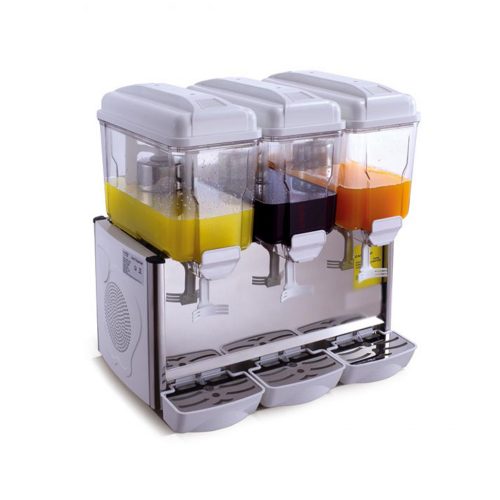
Beverage Stations

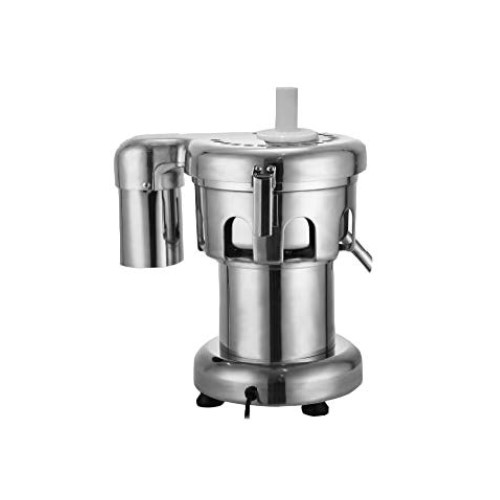
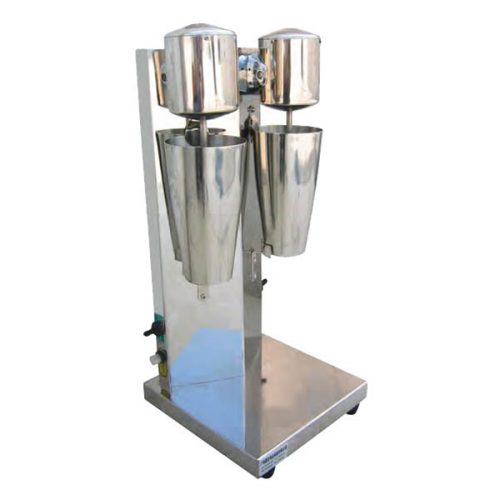
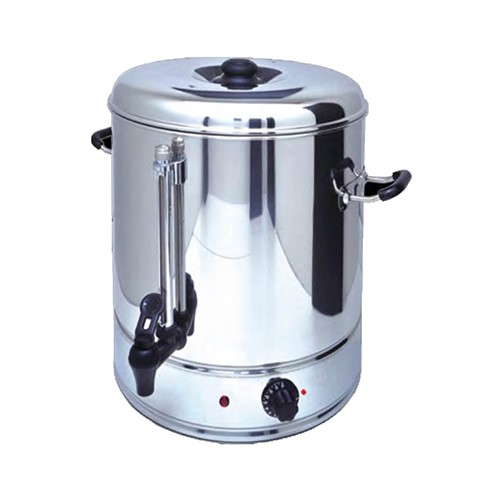
Coffee, tea, and juice dispensing systems require careful consideration in Kenya's hotel market. High-quality coffee service has become an expected amenity, demanding commercial-grade brewing equipment.

KSh 500,000 - 650,000
🥞

Fresh Cooking Stations

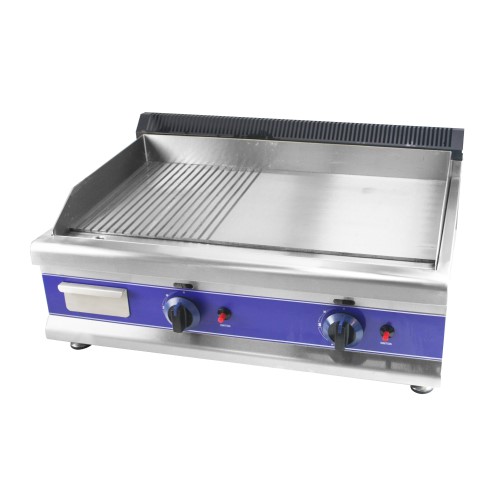
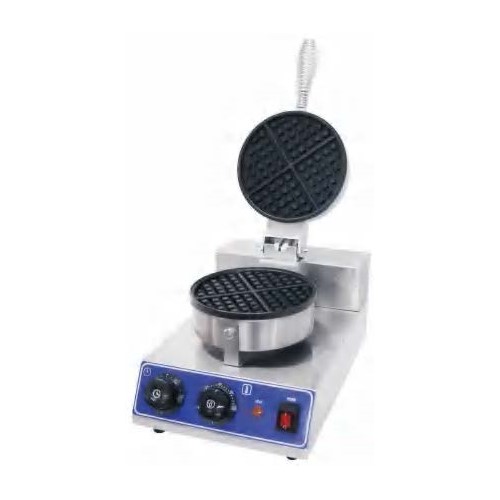
Interactive cooking stations add entertainment value while ensuring maximum freshness. Guest-operated waffle makers provide engagement while reducing staff requirements.

KSh 285,000 - 650,000

Your kitchen forms the heart of guest experience, whether serving breakfast, hosting events, or providing room service. Quality equipment enables your culinary team to deliver consistent results that build reputation and encourage repeat visits.

- Hospitality Industry Insight

Frequently Asked Questions

Hotels should budget 15-20% of total kitchen project costs for equipment. Complete installations range from KSh 5 million for basic setups to KSh 20+ million for comprehensive systems. Mid-range hotel kitchens serving 100+ guests daily typically invest KSh 8-12 million in equipment. This includes combi ovens (KSh 1.04-1.95 million), tilting skillets (KSh 585,000-1.04 million), walk-in refrigeration (KSh 650,000-1.3 million), and complete breakfast buffet systems (KSh 1.3-2.34 million).

Factor in installation costs (15-25% of equipment prices), utility upgrades, and initial spare parts inventory. Energy-efficient equipment costs more upfront but reduces operational expenses with Kenya's electricity rates. Professional planning prevents costly mistakes and ensures equipment supports current needs plus planned growth.

Hotel kitchen equipment must handle 24/7 operations, breakfast buffet service for 100+ guests simultaneously, multiple restaurant concepts, banquet capabilities, and room service logistics. This demands higher capacity, greater versatility, and superior reliability compared to single-concept restaurant equipment.

Hotels require equipment supporting diverse service styles from quick breakfast buffets to elaborate banquet events. Breakfast equipment must prepare and hold large quantities while maintaining quality throughout extended service periods. Banquet operations need equipment that scales production efficiently for events ranging from 50 to 500+ guests.

Room service adds complexity requiring equipment that maintains quality during transport. Multiple outlet operations demand coordinated production capabilities across different cuisines. Equipment must operate continuously with minimal downtime, as hotels cannot close kitchens for maintenance during guest service hours.

Commercial hotel kitchen equipment typically lasts 10-15 years with proper maintenance in Kenya's climate. Combi ovens and major cooking equipment last 12-15 years, refrigeration systems 10-15 years, while high-use items like griddles and fryers may need replacement every 8-12 years depending on volume.

Kenya's warm climate and humidity create additional challenges for electrical components and refrigeration systems. Regular professional maintenance extends equipment life significantly. Budget 5-10% of equipment value annually for maintenance and eventual replacement planning.

Quality commercial-grade equipment justifies higher initial costs through longer lifespans and better reliability. Cheap equipment might save money upfront but typically requires replacement twice as often, increasing total cost of ownership. Factor equipment lifespan into financial projections when evaluating purchase versus lease decisions.

New equipment offers warranties, better energy efficiency, and modern technology making it ideal for core cooking and refrigeration systems. Used equipment can reduce initial investment by 30-50% but requires thorough inspection and may have higher maintenance costs plus shorter remaining useful life.

For hotels, prioritize new equipment for refrigeration, combi ovens, and other mission-critical systems where reliability directly impacts guest service. Consider quality used equipment for prep tables, shelving, and secondary items that don't affect guest experience if temporarily unavailable.

Calculate total cost of ownership including energy consumption, anticipated repairs, and remaining useful life before deciding. Professional guidance helps evaluate used equipment condition and true value. New equipment often includes installation support, training, and service agreements protecting your investment during critical opening phases.

Hotel breakfast service requires buffet steam tables (KSh 1.3-2.34 million), commercial coffee brewers and equipment (KSh 500,000-650,000), fresh cooking stations with griddles and egg cookers (KSh 285,000-650,000), and refrigerated display units for cold items. Complete breakfast systems must maintain food quality throughout 3-4 hour service windows.

Essential equipment includes hot food wells maintaining proper serving temperatures, cold wells for fresh items, beverage dispensing systems for juice and coffee, and interactive cooking stations like waffle makers for guest engagement. Toast production requires high-capacity commercial toasters handling continuous volume without bottlenecks.

Scale equipment to peak occupancy plus 25% buffer capacity. A 100-room hotel should plan for 120-150 breakfast covers simultaneously during high season. Equipment must operate reliably during every service period as breakfast directly impacts guest satisfaction scores and online reviews.

Hotels optimize shared kitchen designs through zone-based layouts supporting different concepts while maximizing equipment utilization. Versatile equipment like combi ovens and tilting skillets serve multiple menus efficiently. Separate preparation zones prevent menu cross-contamination while shared cooking equipment handles diverse cuisines.

Kitchen display systems coordinate orders from multiple restaurants, showing preparation priorities and timing requirements. Refrigeration organizes by concept with dedicated sections preventing ingredient mix-ups. Flexible prep stations adapt to different cuisine requirements throughout the day as meal periods change.

Professional kitchen design ensures workflow efficiency for multiple concepts without interference. Equipment placement considers peak service timing across different outlets. Shared equipment must handle capacity requirements when multiple concepts operate simultaneously during high-demand periods like dinner service.

Hotel kitchen energy costs typically represent 3-5% of total food service revenue. Large hotel kitchens serving 200+ guests daily spend KSh 200,000-400,000 monthly on equipment energy with Kenya's rates of KSh 15-25 per kWh. Refrigeration represents 35-45% of energy costs, cooking equipment 30-40%, and other equipment 20-30%.

Energy-efficient equipment reduces costs by 25-40% compared to standard models. Calculate potential savings over 10-15 year equipment lifespans when evaluating purchase decisions. Smart energy management systems optimize equipment operation schedules based on occupancy and service timing, reducing waste during low-demand periods.

Demand charges from utility companies make equipment scheduling important. Stagger high-power equipment startup to avoid demand spikes. Regular maintenance keeps equipment operating efficiently, preventing energy waste from worn components. Monitor energy consumption monthly to identify inefficient equipment requiring service or replacement.

Banquet operations require scalable equipment handling events from 50 to 500+ guests. Combi ovens, tilting skillets, and blast chillers provide production flexibility for varying event sizes. Mobile equipment like heated holding cabinets transports food to event spaces while maintaining proper serving temperatures.

Calculate equipment capacity based on your largest anticipated events plus 15% buffer. Hotels hosting 300-person events need equipment producing this volume within compressed timeframes. Blast chillers support advance preparation, allowing food production during off-peak periods before event service.

Portable service equipment including chafing dishes, beverage dispensers, and mobile carving stations completes banquet capabilities. Storage for event-specific equipment requires dedicated space separate from daily restaurant operations. Professional planning ensures equipment investments support current event business while allowing growth into larger events.

Hotels require comprehensive preventive maintenance programs including daily cleaning protocols, weekly equipment checks, monthly professional inspections for critical systems, and quarterly deep maintenance for all equipment. This prevents breakdowns during service that could impact guest satisfaction.

Budget 5-10% of equipment value annually for maintenance contracts, emergency repairs, and parts replacement. Establish relationships with authorized service providers before opening, negotiating response time guarantees for critical equipment. Maintain spare parts inventory for high-failure items like heating elements, thermostats, and door gaskets.

Staff training programs ensure proper daily maintenance and early problem identification. Document all maintenance activities for warranty compliance and equipment history tracking. Schedule major maintenance during slow periods minimizing operational disruption. Regular maintenance extends equipment life by 30-50% while reducing emergency repair costs.

Modern hotel kitchens integrate kitchen display systems coordinating orders from multiple outlets, inventory management tracking ingredient usage across different concepts, and energy management optimizing equipment operation schedules. Integration reduces errors while improving efficiency and cost control.

Automated systems monitor equipment performance, alerting maintenance staff to potential issues before failures occur. Temperature monitoring ensures food safety compliance with automatic documentation for health inspections. Digital systems track equipment energy consumption, identifying inefficient units requiring service or replacement.

Cloud-based platforms enable remote monitoring for multi-property operations. Smart equipment learns usage patterns, adjusting operation automatically for maximum efficiency. Integration with property management systems coordinates kitchen production with hotel occupancy and event bookings, optimizing staffing and ingredient ordering.

Technology Integration for Modern Hotels

Smart Kitchen Management

Kitchen display systems coordinate orders between multiple restaurants and service points. Digital integration reduces communication errors while providing real-time status updates for complex order management.

Inventory management integration tracks ingredient usage across different outlets, reducing waste while ensuring availability during peak service periods. Automated ordering systems prevent stockouts that could impact guest satisfaction.

Energy management systems monitor equipment usage and optimize operation schedules for cost control. Smart systems learn usage patterns and adjust rotary oven equipment operation for maximum efficiency without compromising service quality.

Smart kitchen technology integration for hotel operations

Why Nairobi Kitchen Care (NKC) Leads Hotel Solutions

🏨

Hospitality Expertise

Extensive experience with hotel kitchen equipment installations in Kenya provides insights that generic suppliers cannot match. We've equipped properties from intimate boutique hotels to large international chains with everything from compact gas ovens to industrial rotary rack ovens.

🔧

Local Support

Our Nairobi-based service team provides rapid response for maintenance and repairs, minimizing downtime that could impact guest satisfaction. We maintain extensive parts inventory and factory-trained technicians.

🎯

Comprehensive Planning

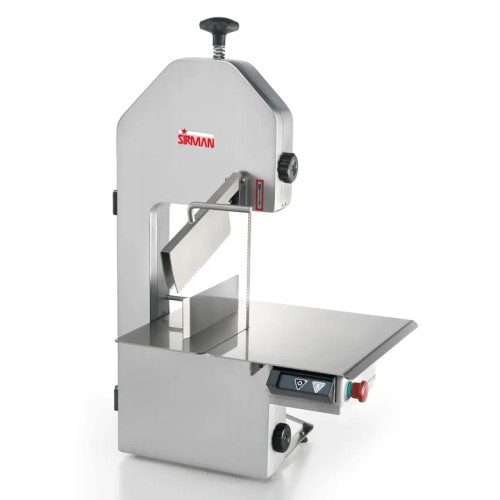
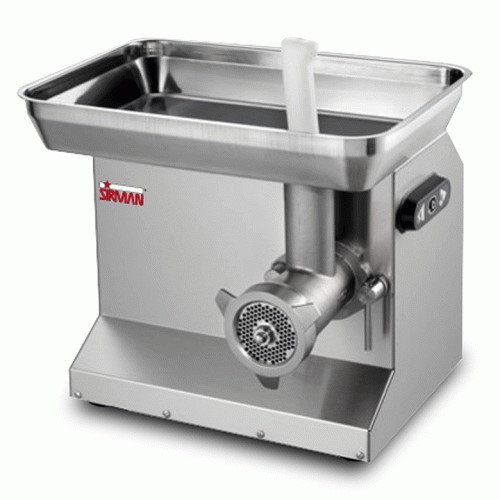
Our comprehensive approach begins with detailed operational analysis. We examine your service styles, volume requirements, and growth plans to recommend optimal equipment configurations. This includes specialized solutions like butchery equipment for hotels with extensive meat preparation requirements.

Related Hotel Equipment Categories

🔥

Professional gas and electric cooking solutions for high-volume hotel operations.

View Cooking Equipment →
❄️

Cold storage solutions including uprights, under-counters, and blast chillers.

View Refrigeration →
🍞

Ovens, mixers, and specialty equipment for hotel bakery operations.

View Bakery Equipment →

Transform Your Hotel Kitchen Today

Ready to transform your hotel kitchen with professional equipment solutions? Contact Nairobi Kitchen Care today for a comprehensive consultation. Our team will assess your specific requirements and provide detailed recommendations tailored to your property and operational goals.

Contact NKC Now

Contact Nairobi Kitchen Care

Let NKC help you create a hotel kitchen that delights guests, empowers staff, and drives profitability through smart hospitality kitchen design and quality commercial catering equipment solutions.

📞

Phone

0725 351 079
✉️

Email

info@nkc.co.ke
🌐

Website

www.nkc.co.ke