



Your Complete Guide to Restaurant Startup Equipment in Kenya
& The Essential Checklist
Restaurant startup equpiment checklist for Kenya with essential kitchen equipment costs, ROI calculations, and practical tips for restaurant startups. Expert guidance from Nairobi Kitchen Care.
KSh 4M+
Equipment Investment Range
20+
Essential Equipment Categories
5-10%
Annual Maintenance Budget
KSh 15-25
per kWh Energy Cost
Pre-Opening Equipment Assessment
Smart restaurant owners conduct thorough assessments to align equipment needs with their business model before making any purchases.
1
Menu-Driven Selection
Let your menu guide every equipment choice. Start by listing core dishes and the cooking methods they need. Then match those methods to the right tools. This keeps spending tight and avoids gear you will barely use. A Nairobi burger spot once thought they needed a salamander. After mapping the menu, a plancha and a simple holding drawer did the job.
2
Capacity Planning
Plan for 1.5 times your seating during peak hours. Also study local dining patterns. In Kenya, lunch rushes often run from 12 to 2 PM. If you seat 60, size your line for 90 guests at peak. Think grill capacity, fryer recovery, cold holding, and expo space. Do not forget delivery spikes, weekends, and holiday swings.
3
Service Style Analysis
Match equipment to service style. Fast-casual prioritizes speed and recovery time. Fine dining leans on precision and control. Mixed service needs flexible, multi-functional gear. Consider combi ovens, programmable fryers, modular prep tables, and induction with precise controls. Avoid single-task gadgets that crowd your line.
4
Market Research
Kenyan diners enjoy both local favorites and international dishes. So your kitchen setup should support traditional cooking and modern presentation. For example, sturdy grills and heavy pots handle nyama choma, ugali, and pilau with ease. Meanwhile, precise burners, chill rails, and plating stations keep contemporary looks sharp. Think smoky flavor on the plate, then clean lines on the pass. That mix keeps regulars happy and wins new guests.
💡 Pro Tip
Document each menu item’s prep steps. Note batch size, cook time, holding limits, and station. Also record temperatures, pans, and smallwares. Then roll it into a master equipment list. This method keeps food consistent and prevents costly misses. A Westlands bistro used this checklist and skipped buying a second fryer. Their line breathed easier, and tickets moved faster. A professional kitchen design consult can sharpen your layout and choices. They check ventilation loads, power and gas capacity, and hood specs. A consultant can map workflow from delivery to dish pit. They also flag code clearances, utility drops, and future growth. A short review often saves you from one expensive mistake.
Professional Kitchen Design
Strategic equipment placement and workflow optimization for maximum efficiency
Restaurant Startup Equipment
Essential Equipment by Kitchen Station
Understanding costs helps restaurant owners budget effectively and make informed decisions about their restaurant startup equipment investments.
Hot Line Equipment
KSh 1,950,000 - 3,900,000
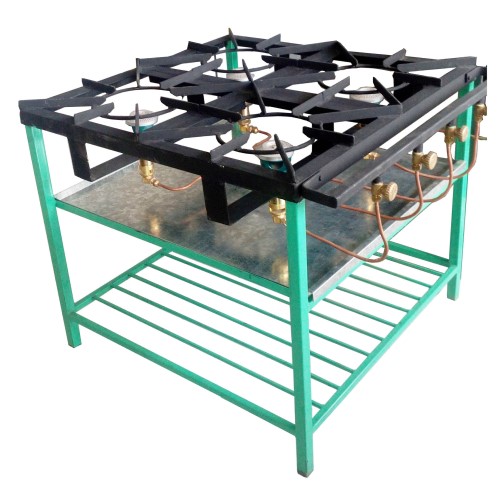
- Range/Cooktop (4-6 Burners) KSh 325,000 - 585,000
- Convection Oven KSh 455,000 - 845,000
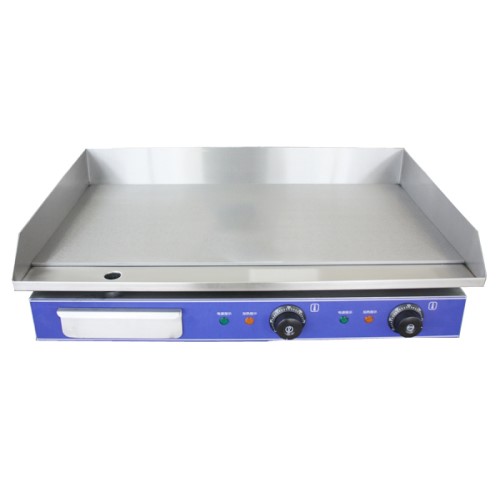
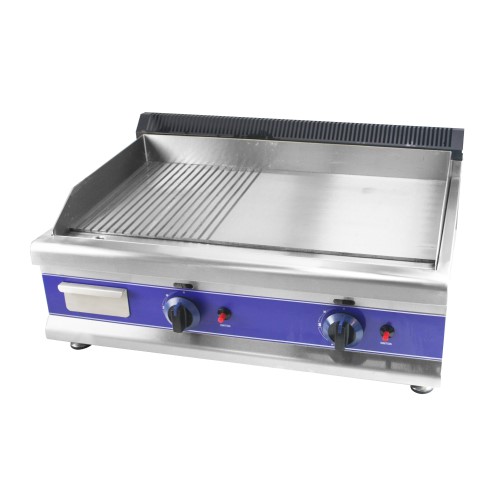
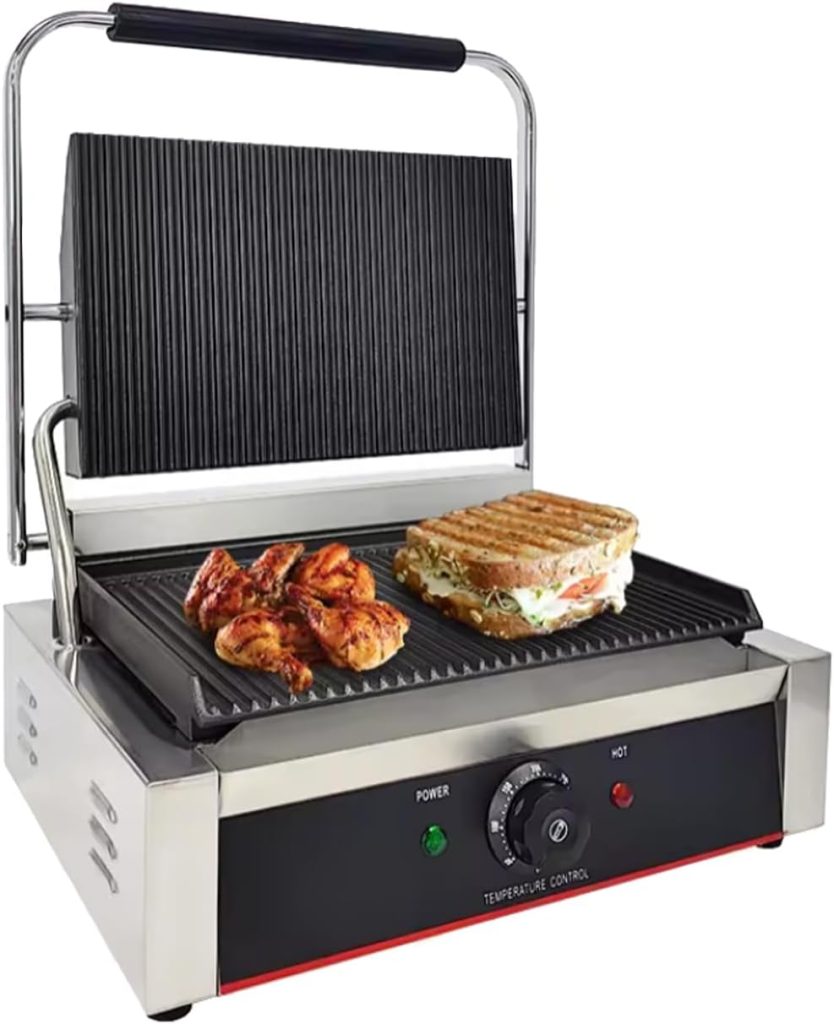
- Grill/Griddle KSh 260,000 - 520,000
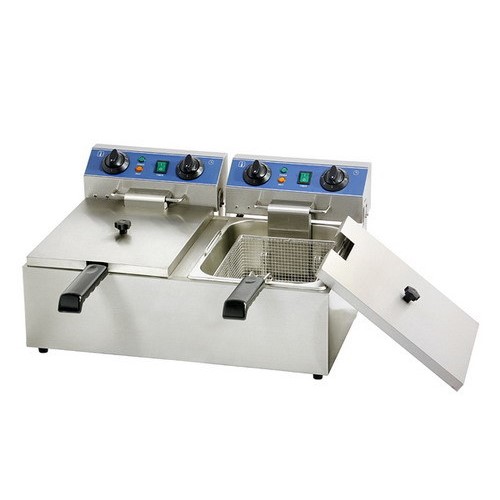
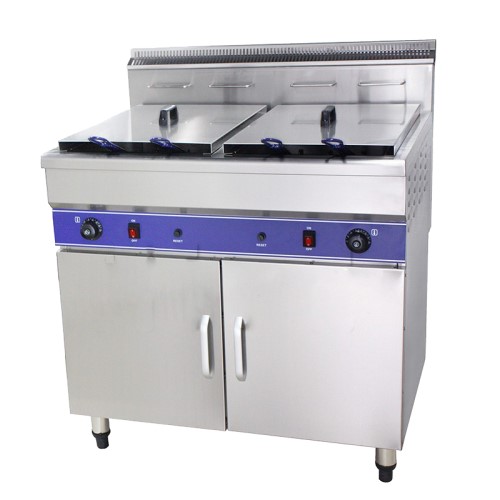
- Deep Fryer KSh 195,000 - 390,000
Hot Line
Commercial Range
KSh 325,000 - 585,000
The kitchen's workhorse. Gas ranges offer better temperature control and lower operating costs in Kenya. Four burners handle small operations, while six-burner units suit medium to large restaurants.
Hot Line
Convection Oven
KSh 455,000 - 845,000
Provides even heat distribution and faster cooking times. Energy efficiency matters significantly given Kenya's utility costs. Look for models with good insulation and programmable controls.
Cold Line Equipment
KSh 1,040,000 - 1,950,000
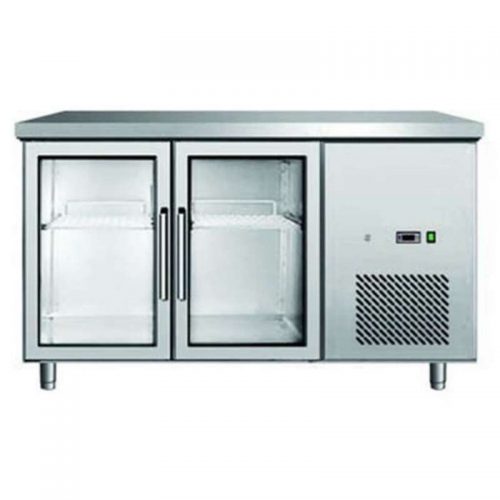
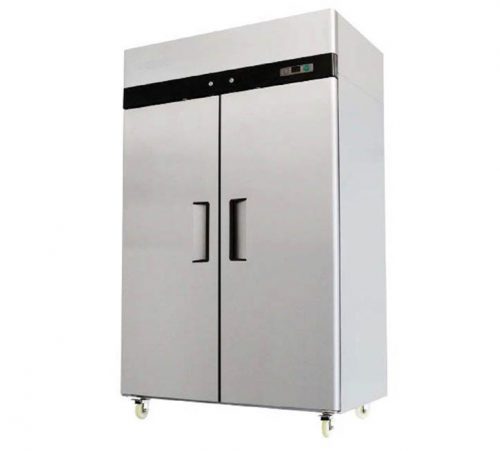
- Reach-in Refrigerator (2-Door) KSh 390,000 - 650,000
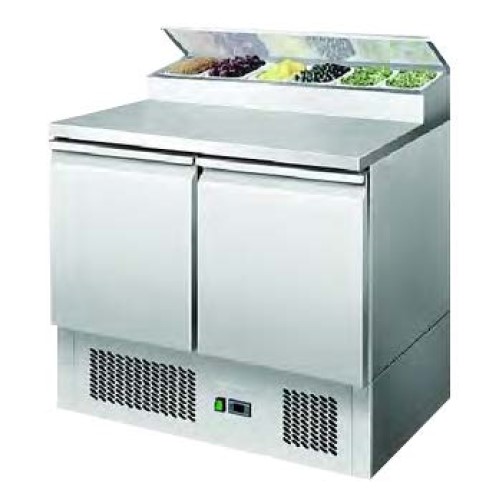
- Refrigerated Prep Tables KSh 325,000 - 520,000
- Freezer Unit KSh 325,000 - 780,000
Prep Area Equipment
KSh 650,000 - 1,300,000
- Commercial Mixer (20-30 Quart) KSh 260,000 - 455,000
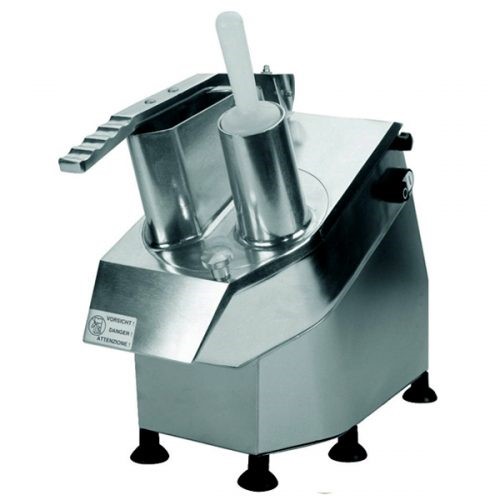
- Food Processor (Variable Speed) KSh 104,000 - 195,000
- Prep Sinks (3-Compartment) KSh 156,000 - 325,000
⚠️ Important Consideration
Refrigeration equipment is critical in Kenya's warm climate, where temperature control challenges can increase food spoilage risks. Energy efficiency ratings significantly impact long-term costs, especially with electricity rates ranging from KSh 15-25 per kWh. Consider both single-door units for smaller establishments and larger capacity solutions for higher volume operations.
Equipment Excellence in Action
High-quality commercial equipment driving exceptional culinary results
ROI Calculations & Financial Planning
Understanding equipment returns helps justify investments and prioritize purchases based on revenue impact rather than just initial cost.
Revenue per square meter benchmarks help evaluate equipment efficiency
Essential kitchen equipment like versatile griddles typically pays for itself through labor savings
Energy-efficient equipment reduces operating costs over equipment lifetime
Maintenance budget allocation of 5-10% prevents unexpected repair expenses
Revenue-generating equipment from our beverage equipment category have shorter payback periods
Calculate annual energy costs when comparing equipment options
"Your equipment choices today determine your restaurant's operational efficiency and profitability for years to come. Invest wisely, maintain properly, and watch your restaurant thrive in Kenya's dynamic food service market."
- Nairobi Kitchen Care Expert Team
DOWNLOAD YOUR FREE COMPLETE GUIDE
& RESTAURANT EQUIPMENT CHECKLIST NOW
Get instant access to the 47-page Complete Restaurant Equipment Checklist & Budget Calculator.
No more guessing. No more costly mistakes. Just clear, actionable guidance for every equipment decision.
Instant download. No spam. Just valuable insights for your restaurant success.
Budget Optimization Strategies
Smart financial planning helps restaurant startups maximize their equipment investments while managing cash flow effectively.
Strategy
New vs Used Equipment
Buying used gear can cut startup costs. However, treat it like buying a car. Check age, service records, and parts availability. Then calculate total cost of ownership, including energy use, repairs, and downtime over its life. Warranties vary a lot, so read the fine print. Third-party inspections help you judge condition and value before you commit. For many operators in Kenya, a quick pre-purchase audit saves money later.
Strategy
Phased Acquisition
Priority equipment ensures opening day success while managing the initial capital. Essential items for opening include cooking equipment, refrigeration systems, and basic prep tools. Add secondary equipment as revenue increases.
Strategy
Seasonal Considerations
Kenya’s hot seasons push refrigeration hard. You may need extra cold storage or a higher-capacity condenser. Heating gear needs stay minimal most of the year. So plan for seasonal swings with expandable solutions, like modular refrigeration or add-on cold wells. This approach lets your commercial kitchen scale without waste. It also keeps food safety on track when temperatures rise.
Smart Financial Planning
Strategic budgeting and ROI analysis for sustainable restaurant growth
Maintenance Best Practices
Proper maintenance protects equipment investments while ensuring consistent operation and food safety compliance.
📋
Daily Maintenance
Daily cleaning and maintenance checklists prevent small problems from becoming expensive repairs. Staff training on proper procedures extends equipment life significantly.
🔧
Preventive Scheduling
Preventive maintenance scheduling reduces unexpected breakdowns during busy service periods. Heat, humidity, and dust in Kenya can accelerate wear on components.
🤝
Service Relationships
Local service providers matter when a fridge fails on a Saturday night. Establish relationships before problems start, especially for critical equipment. Ask about response times, stocked parts, and 24-7 coverage. Professional installation and scheduled maintenance protect your investment. They also reduce energy use and extend equipment life. In short, a reliable local partner keeps your restaurant running.
📦
Parts Management
Spare parts inventory management balances carrying costs with downtime risks. Common wear items should be readily available for quick repairs.
Pristine Kitchen Standards
Immaculate maintenance and hygiene protocols for professional operations
Restaurant Startup Equipment
Compliance & Safety Requirements
Meeting regulatory requirements protects your business and your guests. It also avoids fines and surprise shutdowns.
Kenya Bureau of Standards (KEBS) equipment certification requirements
Health department inspection preparation and documentation
Fire safety and ventilation compliance for insurance requirements
Worker safety training and equipment for accident prevention
Regular self-inspections to identify potential violations early
Proper ventilation systems and cleaning equipment to remove heat and prevent grease accumulation
🛡️ Safety First
Commercial kitchens generate heat, smoke, and grease. Proper ventilation systems remove heat and odors while limiting grease buildup. Add routine duct cleaning and filter changes to your calendar. Regular safety meetings reinforce procedures and catch risks early. Finally, professional kitchen design supports compliance with fire, ventilation, and hygiene standards.
Ready to Start Your Restaurant Journey?
Get expert guidance on restaurant equipment selection and kitchen design from Kenya's leading kitchen specialists. Our team helps restaurant owners make smart equipment decisions that support successful operations.
Get in Touch with Nairobi Kitchen Care
Expert guidance for your restaurant equipment needs and kitchen design solutions across Kenya.
📞
Phone Consultation
Call us at
0725 351 079
for immediate assistance
0725 351 079
for immediate assistance
✉️
Email Support
Send your requirements to
info@nkc.co.ke
for detailed consultation
info@nkc.co.ke
for detailed consultation
Frequently Asked Questions
Get expert answers to common questions about restaurant equipment planning, costs, and implementation in Kenya.
The average cost of restaurant startup equipment in Kenya ranges from KSh 4 million to KSh 8 million, depending on your restaurant size and concept. Essential items include commercial ranges (KSh 325,000-585,000), refrigeration units (KSh 390,000-780,000), and cooking equipment like deep fryers (KSh 195,000-390,000).
Budget-conscious startups can begin with essential equipment around KSh 1.2 million, while mid-range operations typically invest KSh 2.5 million to KSh 4 million. Premium establishments with high-volume capacity often spend KSh 5 million or more. Your menu determines equipment needs, so analyze core dishes before purchasing to avoid unnecessary expenses.
Remember that energy-efficient equipment may cost more initially but delivers significant savings over time with Kenya's electricity rates ranging from KSh 15-25 per kWh. Consider total cost of ownership, including maintenance and operational expenses, when budgeting for restaurant kitchen equipment.
Commercial restaurant equipment typically lasts 10-15 years with proper maintenance in Kenya's climate. Refrigeration units generally last 10-20 years, cooking equipment like ranges and ovens last 10-15 years, while commercial dishwashers typically last 7-12 years.
Kenya's warm climate and humidity create additional challenges for refrigeration and electrical equipment. Regular maintenance extends equipment life significantly. Heat and dust can accelerate wear on components, making preventive maintenance scheduling essential to reduce unexpected breakdowns during busy service periods.
Small appliances like blenders, mixers, and food processors have shorter lifespans of 5-10 years depending on quality and frequency of use. Investing in high-quality equipment from reputable suppliers and establishing maintenance relationships with local service providers ensures quick response times when repairs are needed.
New equipment offers warranties, better energy efficiency, and longer lifespans, making it ideal for critical items like refrigeration systems. Used equipment can reduce initial investment by 30-50% but requires careful evaluation to avoid hidden repair costs and shorter remaining life.
When considering used equipment, calculate total cost of ownership including energy consumption and anticipated repair costs. Professional guidance helps evaluate condition and true value. New equipment often includes installation support and warranty coverage, protecting your investment during the critical startup phase.
For non-critical items like prep tables and shelving, quality used equipment can stretch your budget. However, prioritize new equipment for revenue-generating items and anything affecting food safety. Balance initial savings against long-term reliability when making purchasing decisions for your restaurant kitchen.
Essential restaurant equipment includes hot line equipment (ranges, ovens, grills), refrigeration systems (reach-in refrigerators, freezers), prep area equipment (mixers, food processors, prep tables), and serving equipment. Your specific menu dictates exact equipment requirements.
Core equipment categories include cooking appliances for food preparation, refrigeration for food safety compliance, prep equipment for efficient food processing, and cleaning systems for sanitation. Most restaurants need commercial ranges (4-6 burners), convection ovens, refrigerated prep tables, three-compartment sinks, and commercial dishwashers.
Budget KSh 1.5 million minimum for essential equipment in a small operation. Medium restaurants typically need KSh 2.5-4 million, while high-volume establishments require KSh 5 million or more. Conduct a thorough menu analysis to identify required cooking methods and prevent overspending on unnecessary equipment.
Calculate restaurant equipment ROI using this formula: ((Net Profit - Total Investment) ÷ Total Investment) × 100. Revenue-generating equipment like beverage systems and specialty cooking equipment typically have shorter payback periods of 6-18 months with 70-80% gross profit margins.
Energy-efficient equipment reduces operating costs over its lifetime, improving ROI despite higher initial costs. Consider annual energy costs when comparing equipment options in Kenya where electricity rates range from KSh 15-25 per kWh.
Essential kitchen equipment typically pays for itself through labor savings and improved efficiency within 18-24 months. High-quality equipment prevents costly breakdowns and maintains consistent operation, protecting revenue and strengthening customer trust. Track revenue per square meter and allocate 5-10% of revenue annually for equipment maintenance to protect your investment.
Daily maintenance includes cleaning and basic checks according to manufacturer guidelines. Professional inspections should occur monthly for critical equipment like refrigeration systems and cooking appliances to prevent expensive repairs and ensure food safety compliance.
Kenya's warm climate and dust exposure accelerate equipment wear, making regular maintenance more critical than in cooler environments. Establish daily cleaning protocols and maintain detailed maintenance schedules. Staff training on proper equipment use and cleaning procedures extends equipment life significantly.
Preventive maintenance typically costs 5-10% of annual revenue but prevents unexpected breakdowns during busy service periods. Build relationships with local service providers before problems occur. Keep spare parts inventory for common wear items to enable quick repairs and minimize downtime.
Refrigeration capacity depends on menu complexity, serving volume, and purchasing frequency. Plan for 1.5 times your seating capacity during peak hours. Small restaurants (50 seats) typically need 2-3 reach-in refrigerators plus one freezer, while larger operations require walk-in coolers.
Refrigeration equipment is critical in Kenya's warm climate where temperature control challenges increase food spoilage risks. Calculate cubic feet needed based on inventory turnover and delivery schedules. Consider both reach-in units for frequently accessed items and walk-in coolers for bulk storage.
Energy efficiency ratings significantly impact long-term costs with Kenya's electricity rates. Choose models with good insulation and proper sizing for your needs. Oversized units waste energy, while undersized refrigeration compromises food safety and forces frequent restocking.
Monthly operational costs for restaurant equipment depend on equipment type, usage patterns, and energy efficiency. Electricity for refrigeration and cooking typically represents 3-5% of revenue. Energy-efficient equipment reduces this cost significantly with Kenya's electricity rates of KSh 15-25 per kWh.
Calculate operational costs by multiplying equipment wattage by hours of operation and local electricity rates. Large refrigeration systems may cost KSh 15,000-30,000 monthly to operate. Cooking equipment adds KSh 10,000-25,000 depending on volume and fuel type (gas vs electric).
Budget 5-10% of monthly revenue for total equipment operational costs including energy, maintenance, and repairs. Gas equipment often has lower operating costs than electric in Kenya. Regular maintenance prevents efficiency losses that increase energy consumption over time.
Restaurant equipment must meet Kenya Bureau of Standards (KEBS) certification requirements. Health department inspections verify food safety compliance for refrigeration, cooking, and cleaning equipment. Fire safety and ventilation compliance is required for insurance and business licensing.
Ensure all equipment meets electrical safety standards and proper grounding requirements. Commercial kitchen ventilation systems must comply with building codes to remove heat, smoke, and cooking odors. Professional installation ensures compliance with all safety requirements and protects your business license.
Keep certification documents and inspection records for regulatory compliance. Regular self-inspections identify potential violations early. Work with suppliers who provide properly certified equipment and installation documentation to avoid costly compliance issues later.
Phased equipment acquisition helps manage initial capital while ensuring opening day success. Start with essential cooking equipment, refrigeration systems, and basic prep tools. Add secondary equipment like specialty cookers, additional refrigeration, and upgraded serving equipment as revenue increases.
Priority equipment for opening includes ranges or cooktops, essential refrigeration, prep tables, three-compartment sinks, and basic serving equipment. This approach spreads costs over time while immediately improving food service capabilities.
Plan phases based on menu expansion and volume growth. Initial investment of KSh 1.5-2 million covers basic operations, with planned additions in months 6-12 as revenue stabilizes. This strategy reduces financial pressure during the critical startup period while building toward full operational capacity.
Success with restaurant startup equipment requires balancing quality, functionality, and budget constraints while meeting your specific operational needs. This comprehensive guide provides the foundation for making informed decisions that support long-term profitability.
Make smart equipment investments today for a thriving restaurant tomorrow