



The Ultimate Guide to Commercial Restaurant Equipment in Kenya
Your Roadmap to Making Smart Commercial Restaurant Equipment in Kenya.
Make Sound Equipment Investments That Protect Your Business
KSh 4M+
Equipment Investment Range
12-16
Week Planning Timeline
5
Critical Kitchen Stations
15-25%
Installation Cost Add-on
Stop Guessing. Start Planning With Confidence.
One wrong equipment choice can cost you hundreds of thousands of shillings and delay your opening by months.
Opening a restaurant in Kenya is exciting, but one wrong equipment choice can cost you hundreds of thousands of shillings. Even worse, it might delay your opening by months. Whether you're launching a cozy café in Westlands or a full-service spot in Mombasa, today's equipment decisions will shape your profitability for years.
Here's the problem. Most restaurant entrepreneurs don't know where to start with commercial kitchen equipment in Kenya. Should you buy that expensive convection oven or go basic? How much refrigeration do you actually need? What justifies the difference between a KSh 400,000 dishwasher and a KSh 700,000 one?
We've built this comprehensive guide to answer those exact questions, and hundreds more.
💡 Pro Tip
Professional equipment choices today determine your restaurant's operational efficiency and profitability for years. Invest wisely with proper planning and expert guidance from Nairobi Kitchen Care.
Strategic Equipment Planning
Budget planning and ROI calculations for successful restaurant operations
Understanding the True Cost of Restaurant Equipment
Purchase price is just the tip of the iceberg when budgeting for professional kitchen setup.
Most people only think about the purchase price when budgeting for professional kitchen setup. That's just the tip of the iceberg. The real cost includes installation (typically 15-25% of equipment cost), utility connections, ongoing energy bills, maintenance, and eventual replacement.
For a medium-sized restaurant in Nairobi, here's the reality:
Total Kitchen Equipment Investment
KSh 4,000,000 - 8,000,000
- Hot line equipment KSh 1,950,000 - 3,900,000
- Cold line and refrigeration KSh 1,040,000 - 1,950,000
- Prep station equipment KSh 650,000 - 1,300,000
- Warewashing systems KSh 520,000 - 1,040,000
- Storage and dry goods KSh 260,000 - 520,000
Front of House Investment
KSh 845,000 - 1,690,000
- Point of sale systems KSh 195,000 - 390,000
- Dining room furniture and equipment KSh 650,000 - 1,300,000
These numbers might seem overwhelming. However, understanding them upfront prevents the costly surprises that derail so many restaurant openings.
Professional Cooking Equipment
Commercial gas ranges and cooking systems for busy restaurant kitchens
The Five Critical Kitchen Stations Every Restaurant Needs
Understanding these essential stations helps you plan equipment investments effectively.
1. The Hot Line: Where Speed Meets Quality
Your hot line is the heart of your kitchen. This is where final food prep happens, and where workflow efficiency directly translates to customer satisfaction. A well-designed hot line needs quality commercial kitchen equipment in Kenya that can handle the pressure.
Essential Equipment:
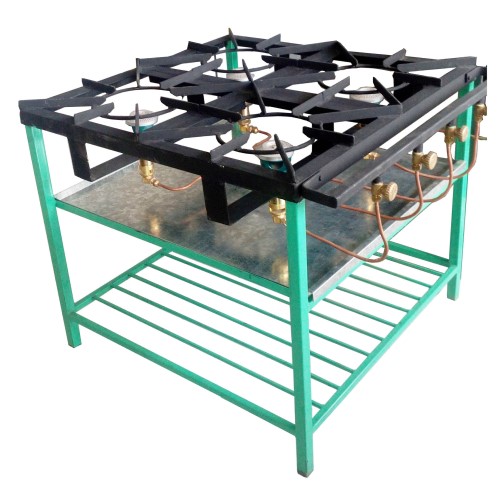
- Commercial gas range (4-6 burners): KSh 325,000 - 585,000
- Convection oven: KSh 455,000 - 845,000
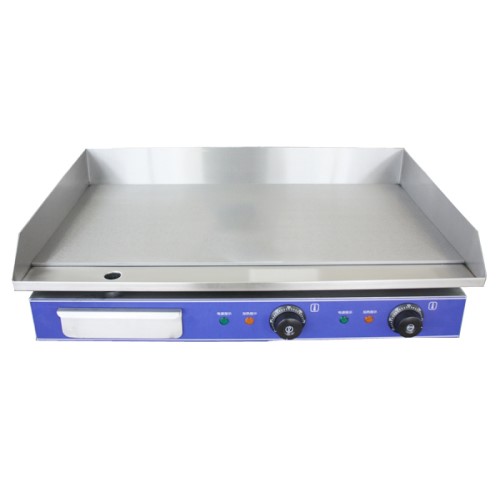
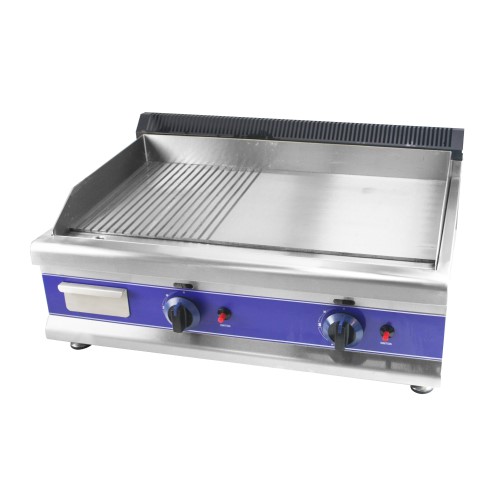
- Char grill or flat top griddle: KSh 195,000 - 520,000
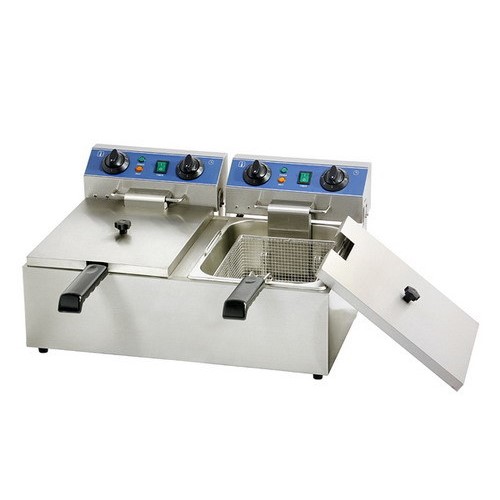
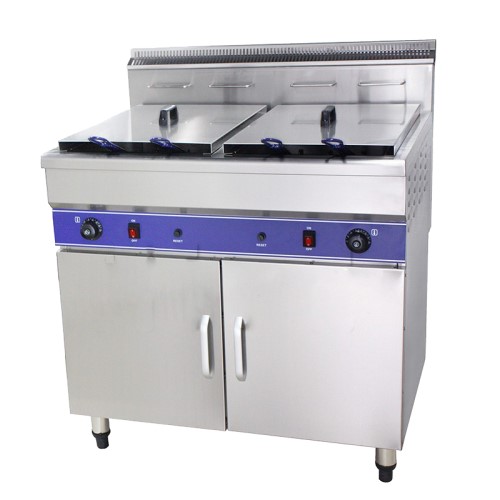
- Deep fryer: KSh 195,000 - 390,000
Equipment is only half the story, though. Your hot line must sit under a properly-sized exhaust hood (extending at least 6 inches beyond equipment on all sides). You'll also need an integrated fire suppression system, which is mandatory for licensing in Kenya. Factor in another KSh 300,000 - 600,000 for ventilation and safety systems.
Pro Tip: Don't skimp on BTU output. Professional ranges should deliver 30,000+ BTUs per burner. Lower output means slower cooking times, which creates service delays during peak hours.
Commercial Refrigeration Systems
Walk-in coolers and organized food storage for optimal food safety
2. The Cold Line: Protecting Your Investment
Food spoilage is one of the biggest hidden costs in restaurant operations. Therefore, proper refrigeration isn't optional. It's essential for food safety compliance, cost control, and maintaining quality your customers expect.
Your cold storage strategy should include:
Core Refrigeration Equipment:
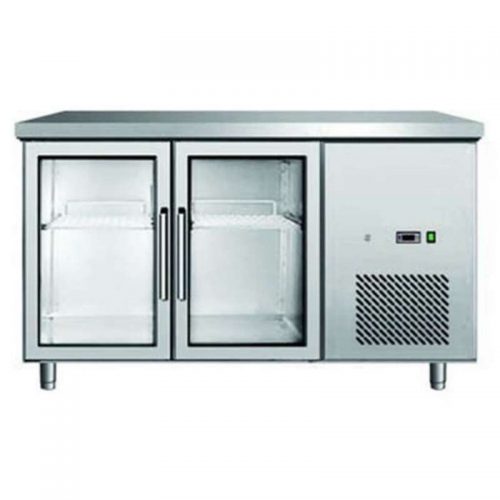
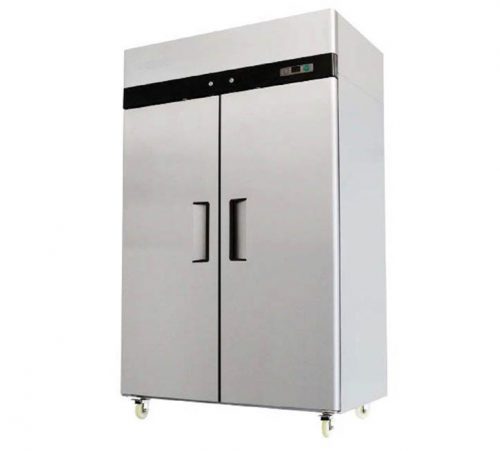
- Reach-in refrigerators (2-door): KSh 390,000 - 650,000
- Walk-in cooler (8' x 10'): KSh 650,000 - 1,300,000
- Freezer units: KSh 520,000 - 780,000
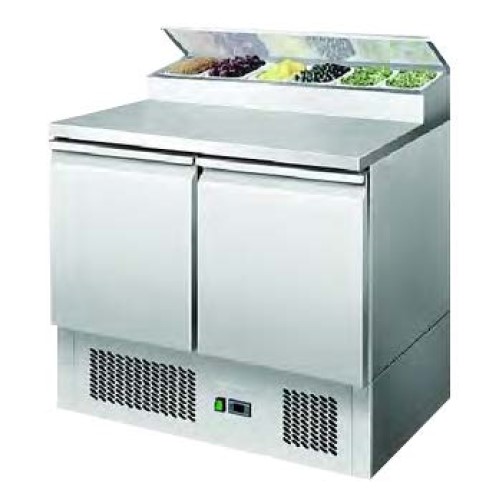
- Refrigerated prep tables: KSh 325,000 - 520,000
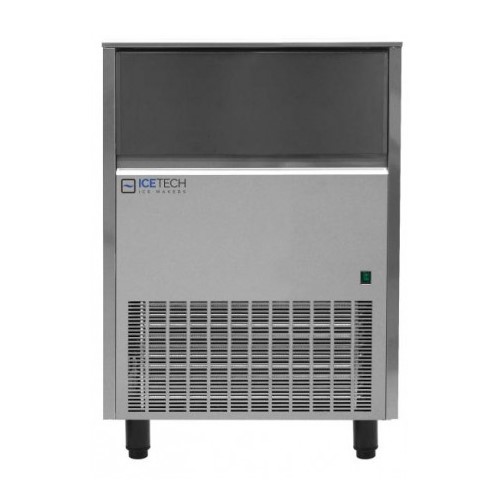
- Ice machines (250-400 lbs/day): KSh 260,000 - 455,000
Energy efficiency matters here. Refrigeration typically accounts for 3-5% of total restaurant revenue in energy costs. Energy Star certified equipment costs more upfront but pays for itself within 2-3 years. That's significant savings at Kenya's current rates of KSh 15-25 per kWh.
Efficient Prep Stations
Commercial mixers and prep equipment for consistent food preparation
3. The Prep Station: Where Efficiency Begins
Labor costs are your second-largest expense after food costs. Consequently, quality prep equipment dramatically reduces labor hours while improving consistency. A complete prep station includes:
Commercial mixers (20-30 qt): KSh 260,000 - 455,000
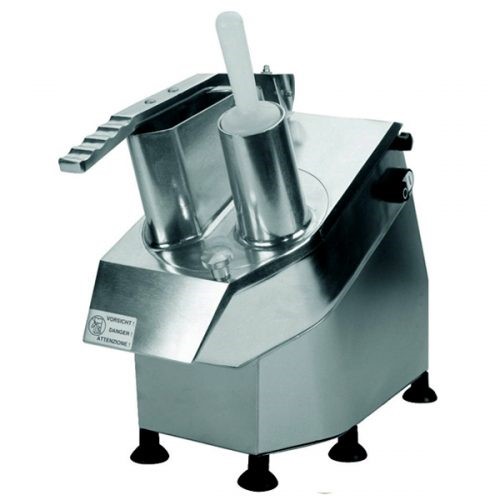
Food processors: KSh 104,000 - 195,000
Three-compartment prep sinks: KSh 156,000 - 325,000
Stainless steel work tables: KSh 65,000 - 130,000 each
A commercial mixer that costs KSh 350,000 might seem expensive. But if it saves just 2 hours of labor daily at KSh 500/hour, it pays for itself in less than 12 months.
ROI Reality Check
Professional Warewashing Systems
Commercial dishwashers for efficient cleaning and health compliance
4. Warewashing: The Hidden Efficiency Driver
Most restaurant owners underestimate warewashing equipment. A quality dishwasher system doesn't just clean dishes. It improves service speed, reduces labor costs, and ensures health department compliance.
Investment Range: KSh 520,000 - 1,040,000 for a complete warewashing system including dishwasher, pot washing sink, and dish tables.
The difference between an undercounter dishwasher (24 racks/hour) and a door-type unit (40+ racks/hour) might be KSh 200,000. During a busy Friday night service, that capacity difference separates smooth operations from backed-up chaos. Explore our complete warewashing solutions for efficient operations.
5. Storage: The Foundation of Cost Control
Proper storage systems protect your inventory investment while supporting efficient operations. This includes:
Commercial shelving systems
Walk-in dry storage (when needed)
Inventory tracking systems
Pest control integration
Budget KSh 260,000 - 520,000 for comprehensive storage solutions. Proper storage extends ingredient life by 25-50%, directly impacting your food costs and bottom line. Combine effective storage with reliable refrigeration systems for optimal food safety.
Front of House Excellence
Modern dining room with POS systems and stylish furniture
Beyond the Kitchen: Front of House Essentials
Your dining room equipment creates the customer experience and manages business operations.
Technology
Point of Sale Systems
KSh 195,000 - 390,000
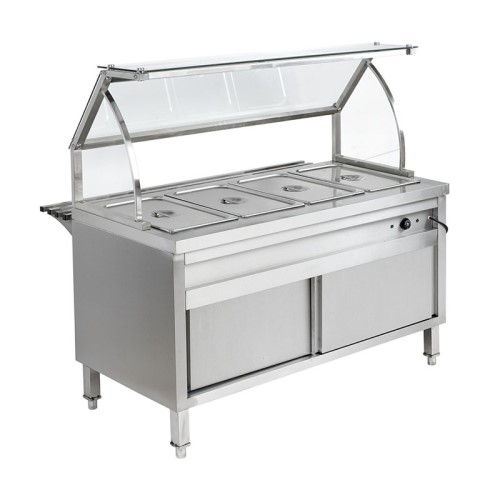
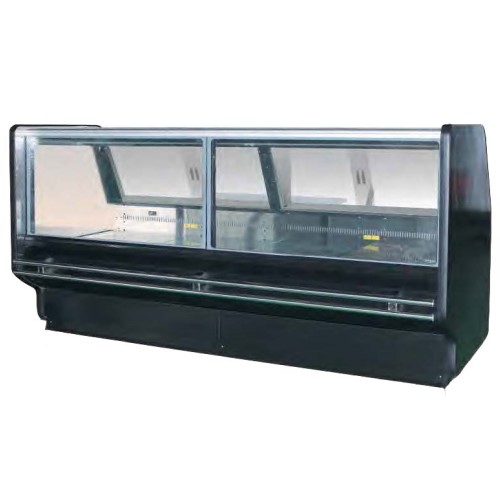
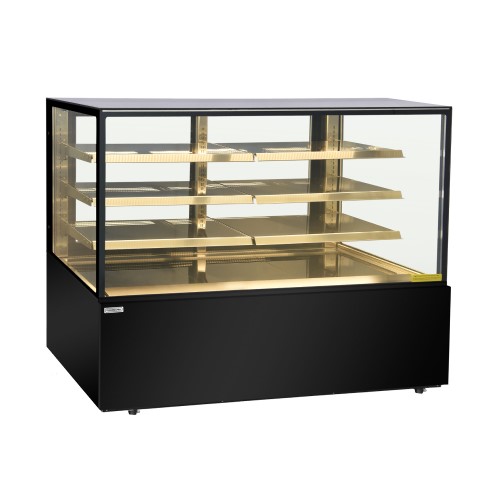
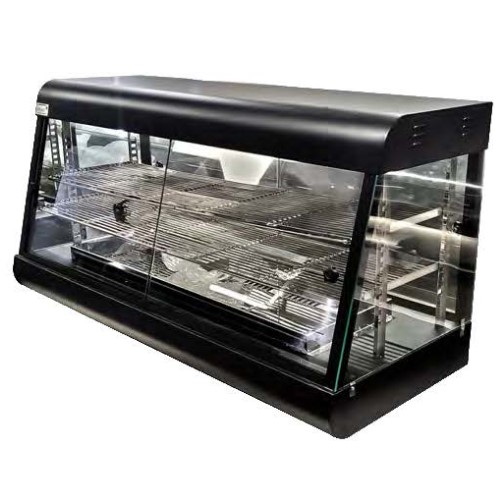
Modern POS systems do far more than process payments. They manage inventory, track labor costs, provide business intelligence, and integrate with your kitchen systems for seamless order flow. For restaurant-specific display needs, consider professional display equipment that showcases your menu items attractively.
Ambiance
Dining Room Furniture and Atmosphere
KSh 650,000 - 1,300,000
Your furniture investment depends heavily on your concept. Commercial-grade furniture costs 2-3 times more than consumer-grade alternatives but lasts 5-7 times longer. Calculate total cost of ownership, not just initial price.
Professional Installation
Electrical and utility connections for restaurant equipment
The Hidden Costs Nobody Tells You About
Equipment purchase prices are just the starting point for your total investment.
Installation and Utilities
Equipment purchase prices are just the starting point. Professional installation adds 15-25% to your equipment costs. Meanwhile, utility connections can be substantial:
Three-phase electrical service installation: KSh 200,000+ (if not already available)
Gas line installation: Varies by location and distance
Water and drainage systems: KSh 150,000 - 300,000
Ventilation and exhaust: KSh 300,000 - 600,000
Ongoing Operational Costs
Energy consumption: 3-5% of total revenue
Maintenance: 3-8% of equipment value annually (increases with age)
Spare parts inventory: Budget 10% of equipment cost
Regular inspections: Health department, fire safety, gas systems
Financing Your Equipment Investment
Few restaurants pay cash for all equipment. Understanding your financing options is essential for a successful professional kitchen setup. Whether you're investing in high-capacity pressure fryers or complete cooking systems, proper financing helps manage cash flow effectively:
Commercial Bank Loans
- Interest rates: 12-18% annually
- Terms: 3-7 years
- Down payment: 10-30%
- Best for: Established businesses with strong credit
Equipment Leasing
- Lease rates: 8-15% annually
- Terms: 2-5 years
- Lower initial cash outlay
- Best for: Preserving working capital, technology equipment
ROI Calculation
- Payback Period = Equipment Cost ÷ (Annual Revenue Increase + Annual Cost Savings)
- Quality equipment typically pays for itself in 18-36 months
Understanding your financing options is essential for successful professional kitchen setup.
Quality equipment typically pays for itself in 18-36 months through reduced labor costs, lower energy consumption, decreased food waste, improved service speed, and better food quality.
Smart Investment Strategy
DOWNLOAD YOUR FREE COMPLETE GUIDE
& RESTAURANT EQUIPMENT CHECKLIST NOW
Get instant access to the 47-page Complete Restaurant Equipment Checklist & Budget Calculator.
No more guessing. No more costly mistakes. Just clear, actionable guidance for every equipment decision.
Instant download. No spam. Just valuable insights for your restaurant success.
Kenya Regulatory Compliance
Meeting licensing and certification requirements for restaurant operations
The Kenya-Specific Considerations
Regulatory Compliance
Operating in Kenya requires compliance with:
- Ministry of Health restaurant licensing requirements
- KEBS (Kenya Bureau of Standards) equipment certification
- County government Single Business Permits
- Fire safety and building code compliance
Your equipment must meet these standards, or you won't receive operating licenses. This makes working with knowledgeable local suppliers essential when sourcing commercial kitchen equipment in Kenya. For specialized preparation needs, bakery equipment must also meet food safety regulations.
Import Considerations
Many high-quality commercial equipment brands must be imported. This adds:
- Import duties: 10-25% depending on equipment type
- VAT: 16% on duty-inclusive value
- Extended delivery timelines: 6-12 weeks
- Currency exchange risks
Strategic Tip: Some equipment categories qualify for reduced duties under EAC agreements or investment incentives. Research these opportunities before finalizing purchases.
Local Service Support
Equipment breakdowns are inevitable. When your refrigeration system fails during a heat wave or your range malfunctions during dinner service, you need immediate local support. Always verify:
- Authorized service provider locations in your area
- Spare parts availability
- Average response time for service calls
- Technical support access
Operating in Kenya requires understanding unique regulatory and import requirements.
Avoid Costly Mistakes
Learn from common equipment planning errors and save thousands
Common Equipment Mistakes That Cost Kenyan Restaurants Thousands
Learn from others' mistakes to protect your investment and avoid costly errors.
⚠️
Mistake #1: Under-Sizing Capacity
Buying equipment that "meets current needs" without growth buffer leads to service bottlenecks, inability to expand menu, and premature replacement. Solution: Plan for 25% above projected peak capacity.
⚠️
Mistake #2: Ignoring Operating Costs
A cheaper refrigerator that costs KSh 100,000 less but uses 30% more electricity costs more over 5 years. Solution: Calculate total cost of ownership, not just purchase price.
⚠️
Mistake #3: Poor Installation Planning
Large equipment needs adequate doorways, ceiling heights, and floor load capacity. Discovering issues after delivery creates expensive delays. Solution: Complete detailed site surveys before ordering.
⚠️
Mistake #4: Inadequate Utilities
Insufficient electrical capacity, gas pressure, or water supply means expensive utility upgrades mid-installation. Solution: Have utilities professionally assessed before equipment selection.
Equipment Planning Timeline
12-16 week schedule from selection to successful opening
Your Equipment Planning Timeline
Professional planning and coordination prevents the 6-month delays that plague poorly-planned restaurant openings.
12-16 Weeks Before Opening:
Week 1-2: Equipment selection and ordering
Week 3-4: Utility rough-in and infrastructure
Week 5-6: Building finishes completion
Week 7-8: Equipment delivery coordination
Week 9-10: Equipment installation
Week 11-12: Staff training and system integration
Week 13-14: Health department inspections
Week 15-16: Final testing and soft opening prep
Each phase depends on the previous one. Delays cascade. Professional planning and coordination prevents the 6-month delays that plague poorly-planned restaurant openings. Our completed restaurant projects demonstrate successful timeline management and equipment integration.
Ready to Make Smart Equipment Decisions?
You've just scratched the surface. The complete 47-page Restaurant Equipment Checklist & Budget Calculator includes:
- Detailed equipment specifications for every kitchen station
- Interactive budget calculators and ROI worksheets
- Supplier evaluation scorecards
- Complete installation timeline planners
- Maintenance scheduling templates
- Emergency procedures and contact templates
- Tax benefits and depreciation planning worksheets
- Kenya-specific regulatory compliance checklists
- Measurement conversion charts
- Industry benchmarks and performance metrics
This comprehensive restaurant equipment guide eliminates the guesswork, prevents costly mistakes, and gives you confidence to make equipment investments that support long-term profitability.
Ready to Make Smart Equipment Decisions?
Get expert guidance on restaurant equipment selection and kitchen design from Kenya's leading kitchen specialists.
Get in Touch with Nairobi Kitchen Care
Expert guidance for your restaurant equipment needs and kitchen design solutions across Kenya.
📞
Phone Consultation
Call us at
0725 351 079
for immediate assistance
0725 351 079
for immediate assistance
✉️
Email Support
Send your requirements to
info@nkc.co.ke
for detailed consultation
info@nkc.co.ke
for detailed consultation
Related Restaurant Equipment
Commercial Cooking Equipment
Professional ranges, ovens, grills, and fryers designed for high-volume restaurant service.
View Cooking Equipment →Refrigeration Systems
Walk-in coolers, reach-in refrigerators, and prep tables for optimal food storage and safety.
View Refrigeration →Bakery & Prep Equipment
Commercial mixers, ovens, and prep tools for in-house bread, pastry, and dessert production.
View Bakery Equipment →Featured Products
Display & Service
Warewashing
Why Work With NKC?
🏆
Local Expertise
Deep understanding of Kenya's regulatory environment, supplier landscape, and market conditions
✓
Proven Track Record
Successfully equipped 50+ restaurants across Kenya
🤝
End-to-End Support
From initial planning through opening day and beyond
🔗
Supplier Network
Established relationships with reliable equipment suppliers and service providers
💰
Cost Optimization
We help you invest wisely, not excessively
Start Your Restaurant Journey With Confidence
The difference between a struggling restaurant and a thriving one often comes down to foundational decisions made before opening day. Equipment choices impact everything: food quality, service speed, labor costs, energy expenses, and ultimately, your profitability.
Don't leave these decisions to guesswork. Whether you need guidance on equipment financing or want to explore our completed restaurant projects, professional consultation ensures optimal decisions.
Download the complete guide. Get the detailed information you need to make informed decisions that protect your investment and position your restaurant for long-term success.
Your dream restaurant deserves the right foundation. Let's build it together.
Nairobi Kitchen Care - Your Partner in Restaurant Success
Frequently Asked Questions
Get expert answers to common questions about restaurant equipment planning, costs, and implementation in Kenya.
Total restaurant equipment investment ranges from KSh 4 million to KSh 8 million for a medium-sized establishment. Kitchen equipment represents the largest portion at KSh 4-8 million, including hot line equipment (KSh 1.95-3.9 million), cold line and refrigeration (KSh 1.04-1.95 million), and prep stations (KSh 650,000-1.3 million). Front of house investments add KSh 845,000 to KSh 1.69 million for POS and dining furniture.
Additional costs include installation (15-25% of equipment prices), utility connections, and ventilation systems. Small operations can start with essential equipment around KSh 1.5 million, but should still plan for hidden costs like three-phase electrical service, gas lines, water/drainage, and fire suppression.
Prioritize equipment that directly generates revenue and ensures food safety compliance. Start with commercial ranges, reach-in refrigeration, basic prep equipment like mixers and work tables, and three-compartment sinks for warewashing. Choose versatile items like a combi oven over single-purpose appliances.
Secondary purchases such as specialty cooking equipment, upgraded serving systems, and additional refrigeration can wait until revenue stabilizes. This phased approach spreads costs while enabling safe operations from day one.
Every restaurant requires five critical stations: hot line for final cooking, cold line refrigeration for food safety, prep stations for efficient processing, warewashing for cleaning compliance, and storage solutions for inventory protection.
Typical budgets: hot line KSh 1.95-3.9 million, refrigeration KSh 1.04-1.95 million, prep KSh 650,000-1.3 million, warewashing KSh 520,000-1.04 million, and storage KSh 260,000-520,000. Each station plays a vital role in smooth restaurant operations.
New equipment offers warranties, better energy efficiency, and longer lifespan, making it ideal for critical items like refrigeration and primary cooking equipment. Used equipment reduces initial investment by 30-50% but requires thorough inspection and may have higher maintenance costs and shorter remaining life.
Calculate total cost of ownership including energy consumption and anticipated repairs when deciding. Prioritize new equipment for revenue-generating items and food safety systems while considering used options for non-critical items.
Calculate equipment ROI using this formula: ((Net Profit - Total Investment) ÷ Total Investment) × 100. Quality equipment often pays back in 18-36 months via reduced labor, lower energy, decreased waste, higher service speed, and better food quality.
For simple payback period: Equipment Cost ÷ (Annual Revenue Increase + Annual Cost Savings). This helps you understand when your equipment investment will start generating positive returns.
Installation and utilities add 15-25% to equipment costs. Expect KSh 200,000+ for three-phase electrical, KSh 150,000-300,000 for water and drainage, and KSh 300,000-600,000 for ventilation with fire suppression.
Ongoing costs include energy (3-5% of revenue), maintenance (3-8% of equipment value annually), spare parts (10% of equipment cost), and regular inspections. Import duties add 10-25% plus 16% VAT for imported equipment.
Plan 12-16 weeks from selection to opening: Weeks 1-2 for selection and ordering, weeks 3-4 for utilities, weeks 5-6 for finishes, weeks 7-8 for delivery coordination, weeks 9-10 for installation, weeks 11-12 for training, weeks 13-14 for inspections, and weeks 15-16 for testing and soft opening prep.
Each phase depends on the previous one, so delays cascade. Professional planning and coordination prevents the 6-month delays that plague poorly-planned restaurant openings.
Commercial bank loans offer 12-18% annual interest with 3-7 year terms and 10-30% down payment, best for established businesses. Equipment leasing provides 8-15% annual rates with 2-5 year terms and lower upfront cost to preserve working capital.
Some suppliers offer payment plans. Always compare total interest paid over the full loan term when evaluating financing options to understand the true cost.
Under-sizing capacity without growth buffer causes bottlenecks and premature replacement. Plan for 25% above projected peak capacity. Focusing on purchase price over operating costs leads to higher 5-year costs. A cheaper refrigerator using 30% more electricity costs more over time.
Ignoring installation logistics and utility planning creates costly delays. Working with inexperienced suppliers leads to poor equipment choices and weak service support.
Compliance is required with Ministry of Health licensing, KEBS certification, county permits, and fire/building codes. Importing adds duties (10-25%), VAT (16%), 6-12 week delivery, and currency risks. Local service support is critical for quick repairs.
Kenya's warm, dusty climate accelerates equipment wear making regular maintenance more critical than in cooler environments. Plan for robust preventive maintenance schedules.
Need Personalized Guidance?
Every restaurant is unique. Your concept, location, menu, and budget create specific equipment requirements that generic guides can't fully address.
Nairobi Kitchen Care specializes in helping Kenyan restaurant entrepreneurs:
Design optimal kitchen layouts for your specific space
Select equipment that matches your menu and volume projections
Coordinate suppliers and contractors for seamless installation
Navigate regulatory requirements and licensing
Provide ongoing support and maintenance coordination
The difference between a struggling restaurant and a thriving one often comes down to foundational decisions made before opening day. Equipment choices impact everything: food quality, service speed, labor costs, energy expenses, and ultimately, your profitability.
Nairobi Kitchen Care - Your Partner in Restaurant Success
Expertise
Local Knowledge
Deep understanding of Kenya's regulatory environment, supplier landscape, and market conditions. Successfully equipped 50+ restaurants across Kenya.
Support
End-to-End Service
From initial planning through opening day and beyond. Established relationships with reliable equipment suppliers and service providers help you invest wisely.
Schedule Your Free Consultation Today
Let's discuss your restaurant concept and create a customized equipment plan that protects your investment and sets you up for success.
📞 Phone: 0725 351 079
📧 Email: info@nkc.co.ke
🌐 Website: www.nkc.co.ke
SCHEDULE CONSULTATION →- Bakery Equipment
- Bread Slicer
- Bun Divider
- Convection Ovens
- Dough / Spiral Mixers
- Dough Sheeters
- Electric Deck Ovens
- Gas Deck Ovens
- Pizza Ovens
- Planetary / Cake Mixers
- Rotary Ovens
- Beverage & Juice Equipment
- Accessories
- Blenders
- Coffee Grinders
- Coffee Machines
- Ice crushers
- Ice Makers & Flakers
- Juice Dispensers
- Juicers
- Milkshake Machines
- Butchery Equipment
- Accessories
- Bone Saws
- Hamburger Press
- Meat Mincers
- Meat Slicer
- Sausage Filler
- Displays
- Bain Maries
- Bakery Displays
- Butchery Displays
- Cake Displays
- Salad Displays
- Showcases
- Heating & Cooking Equipment
- Electric Fryers
- Electric Griddles
- Gas Cookers
- Gas Fryers
- Gas Griddles
- Panini Grill
- Potato Peelers / Chippers
- Rotisseries
- Salamanders
- Refrigeration Equipment
- Pizza Saladettes
- Checkouts
- Coldrooms
- Semi Upright Chillers