
Complete Guide to School Kitchen Equipment in Kenya
Essential Solutions for Educational Institutions - Transform Your School's Food Service Capabilities
7M+
Primary School Students
2.8M+
Secondary School Students
20+
Years Experience
Understanding School Kitchen Equipment Needs in Kenya
Transforming educational food service with the right equipment solutions
Setting up an efficient school kitchen equipment system in Kenya requires careful planning and understanding of the unique challenges facing educational institutions. With over 7 million students enrolled in primary schools and 2.8 million in secondary schools across Kenya, the demand for reliable cafeteria equipment has never been higher.
Schools throughout Kenya face the challenge of serving nutritious meals to hundreds or thousands of students daily while managing tight budgets and maintaining food safety standards. The right institutional food service equipment can transform a school's ability to provide quality meals that support student learning and development.
Whether you're establishing a new school kitchen or upgrading existing facilities, this guide will help you navigate the complex world of commercial kitchen equipment specifically tailored for Kenyan educational institutions.

Essential Categories of School Kitchen Equipment
Complete solutions for every aspect of institutional food service
🔥
Large-Scale Cooking Equipment
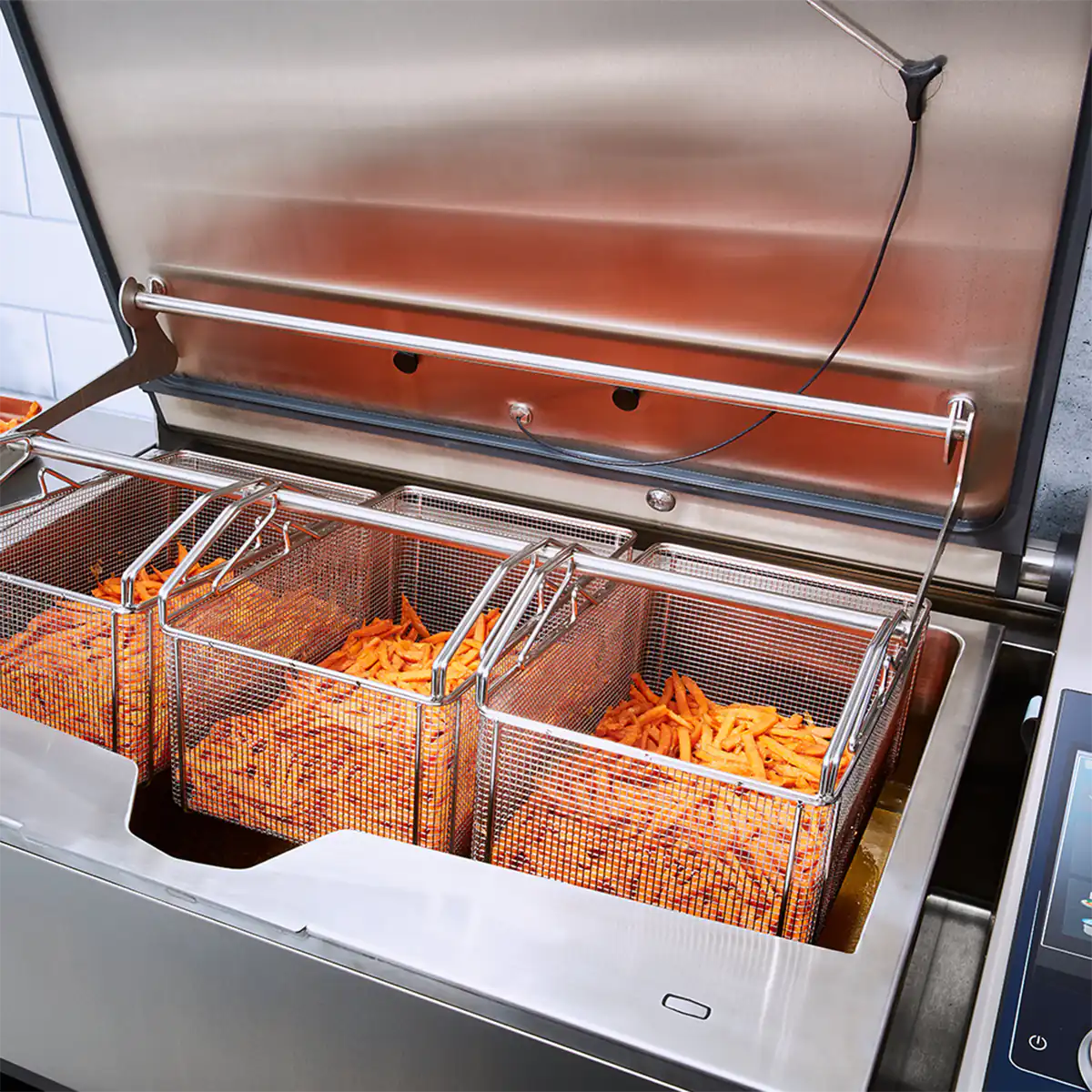
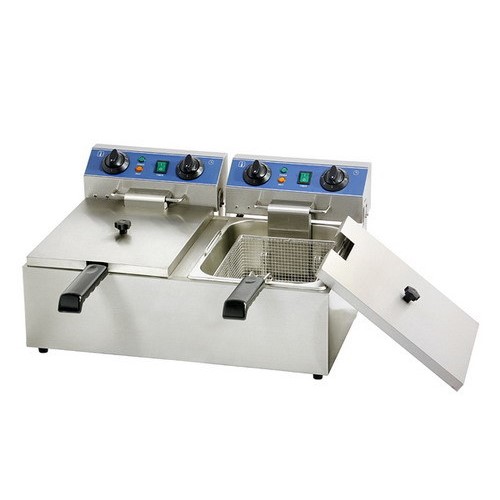
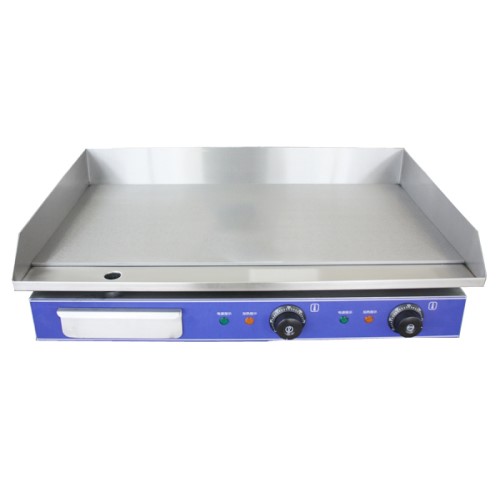
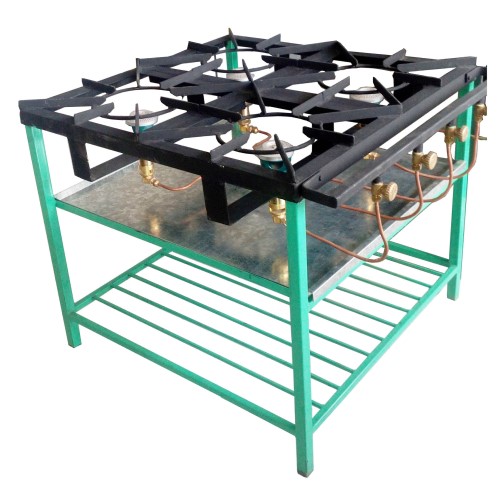
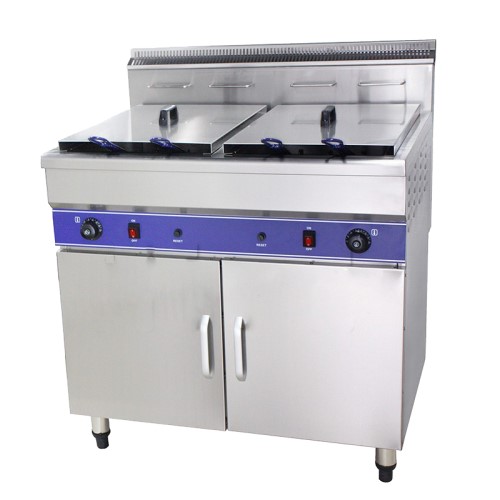
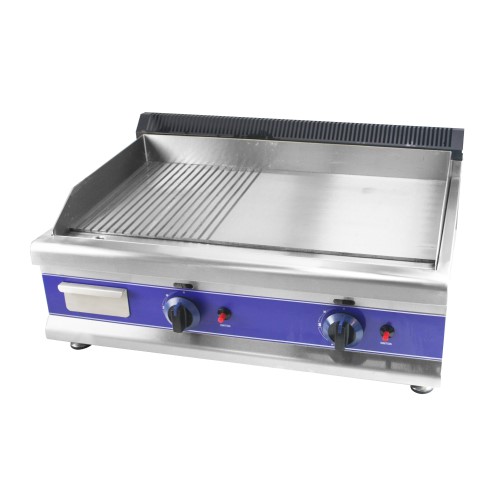
Commercial cooking equipment forms the heart of any school kitchen. Steam kettles (40-100 gallon capacity) are perfect for preparing soups, stews, and traditional Kenyan dishes like sukuma wiki in large quantities. Tilting skillets and griddles offer versatility for cooking rice, vegetables, and proteins with precise temperature control.
🔪
Food Preparation Equipment
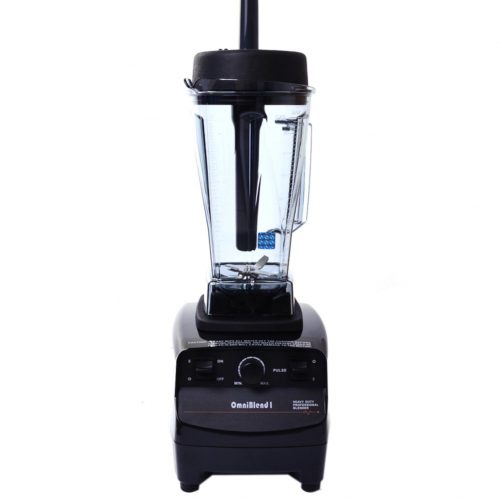
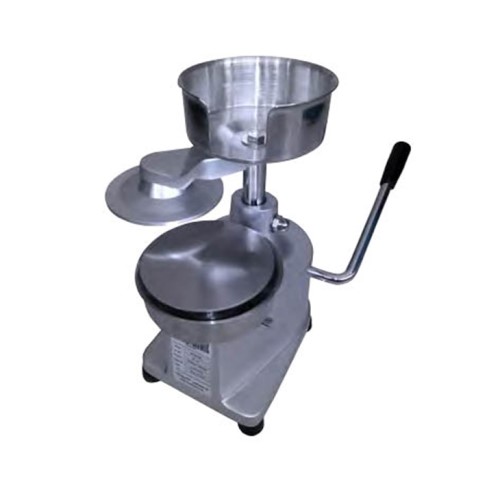
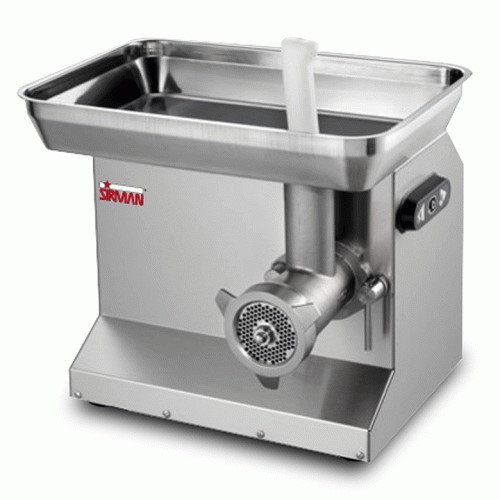
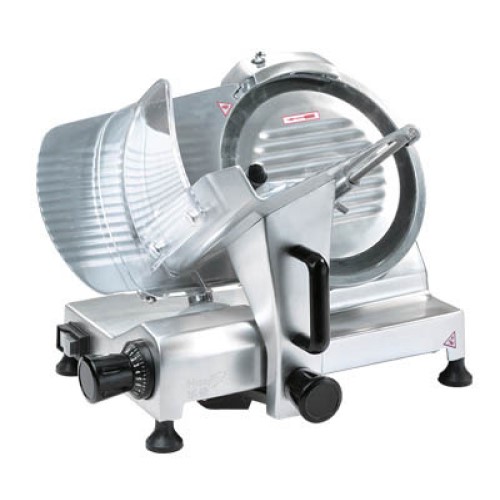
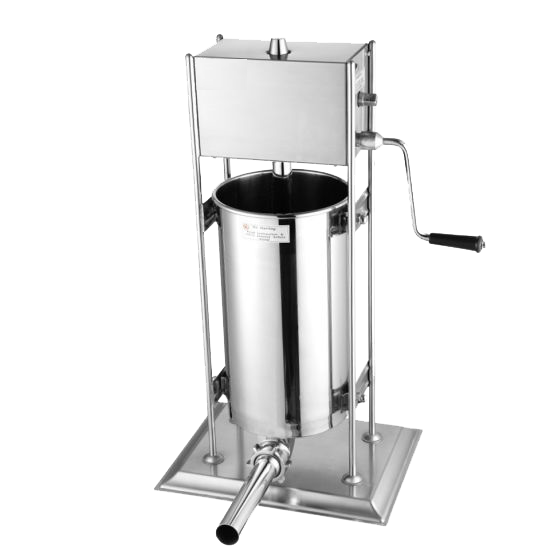
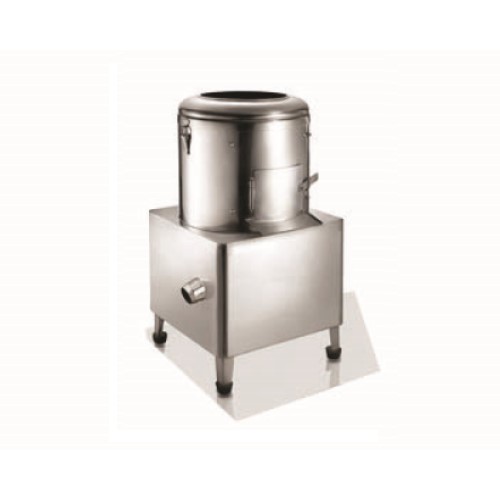
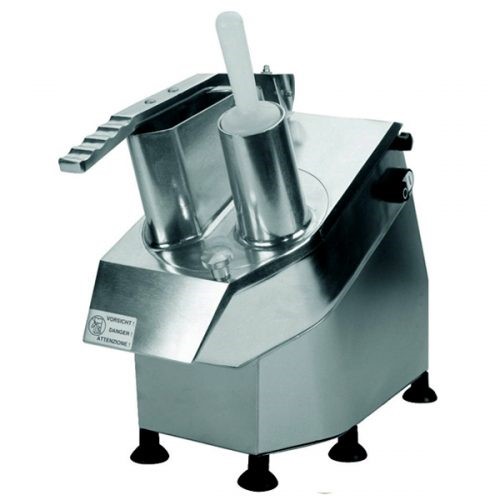
Efficient food preparation equipment dramatically reduces labor costs and preparation time. Commercial vegetable peelers can process potatoes and other root vegetables in minutes. Large capacity mixers (60-80 quart) are essential for schools that prepare their own bread and chapati.
❄️
Refrigeration & Storage Solutions
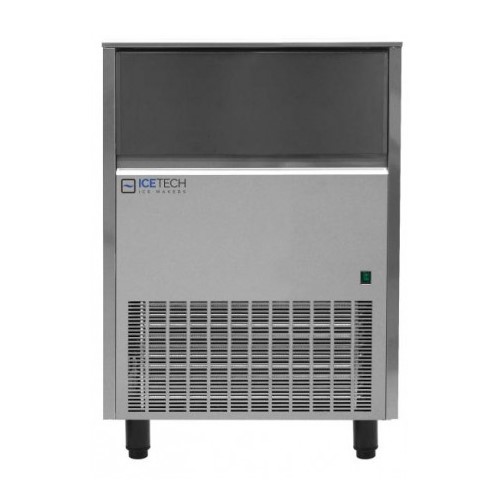
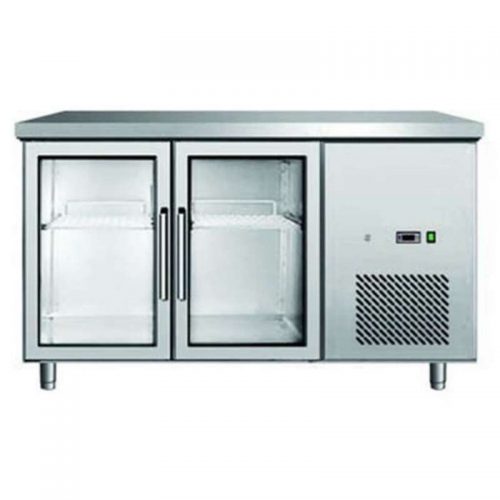
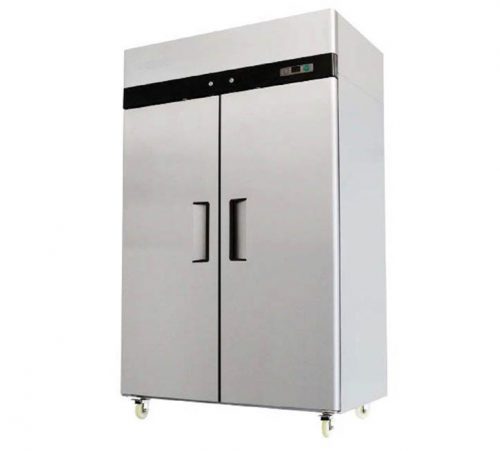
Proper refrigeration is critical for food safety in school kitchens. Walk-in coolers and freezers provide storage capacity for bulk purchasing. Reach-in refrigerators offer convenient access to frequently used ingredients during food preparation.
🍽️
Serving & Distribution Equipment
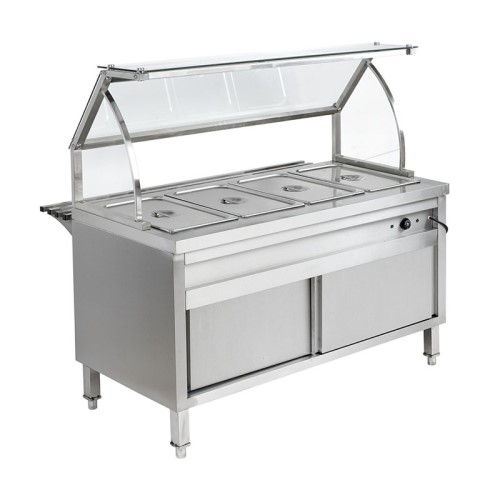
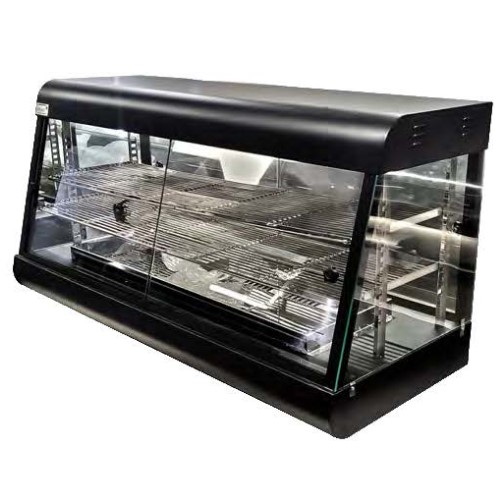
The serving line represents the final step in your food service operation. Hot food wells maintain proper serving temperatures for cooked foods, while cold food wells keep salads and cold items at safe temperatures. Sneeze guards protect food from contamination.
Equipment Packages for Every Budget
Choose the perfect solution for your school's needs and budget
Budget-Conscious Starter
KSh 1.2M - 1.8M
- Gas range with oven for basic cooking
- Large capacity rice cooker for ugali and rice
- Commercial refrigerator for storage
- Stainless steel work tables
- Basic serving equipment and warmers
Mid-Range Comprehensive
KSh 2.5M - 4M
- Steam kettle (40-gallon capacity)
- Tilting skillet for versatile cooking
- Convection oven for baking and roasting
- Walk-in cooler for bulk storage
- Commercial mixer for bread preparation
- Complete serving line with hot and cold wells
Premium High-Volume
KSh 5M+
- Multiple steam kettles for simultaneous prep
- Combi oven for advanced cooking techniques
- Blast chiller for rapid cooling and safety
- Automated dishwashing system
- Complete refrigeration with backup
- Full installation and training included
"The right institutional food service equipment can transform a school's ability to provide quality meals that support student learning and development."
— Nairobi Kitchen Care Expert Team
Key Considerations for Success
Essential factors that ensure your equipment investment delivers long-term value
💰
Total Cost of Ownership
Consider ongoing costs including energy consumption, maintenance, and replacement parts. Energy-efficient equipment may cost more initially but delivers significant savings over time with Kenya's rising electricity costs.
🔧
Maintenance & Safety
Regular maintenance extends equipment life and ensures food safety compliance. Establish daily cleaning protocols and monthly professional inspections to prevent costly repairs and ensure student safety.
🤝
Local Supplier Support
Choose suppliers with proven experience in institutional food service applications. Local presence matters for ongoing support, rapid response for service calls, and maintaining inventory of replacement parts. Professional consultation ensures optimal equipment selection for your school's specific needs.
📈
Phased Implementation
Many schools benefit from phased equipment installation, starting with essential items and adding capabilities as budgets allow. This approach spreads costs over time while immediately improving food service capabilities. Consider starting with high-capacity cooking equipment for maximum impact.
Ready to Transform Your School's Food Service?
Get expert guidance and customized equipment solutions from Kenya's leading institutional kitchen specialists
School Kitchen Equipment Categories
Complete solutions for institutional food service operations
🔥 Cooking Equipment
High-capacity cooking solutions for large-scale school meal preparation.
View Cooking Equipment →❄️ Refrigeration
Bulk storage solutions including walk-ins, uprights, and specialized units.
View Refrigeration →🍞 Bakery Equipment
Mixers and ovens for schools preparing fresh bread and chapati daily.
View Bakery Equipment →🍽️ Serving Equipment
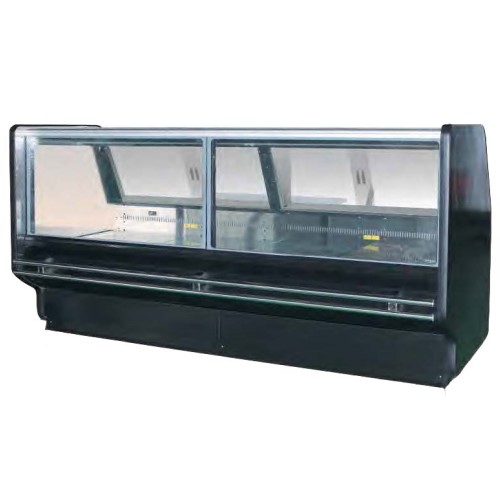
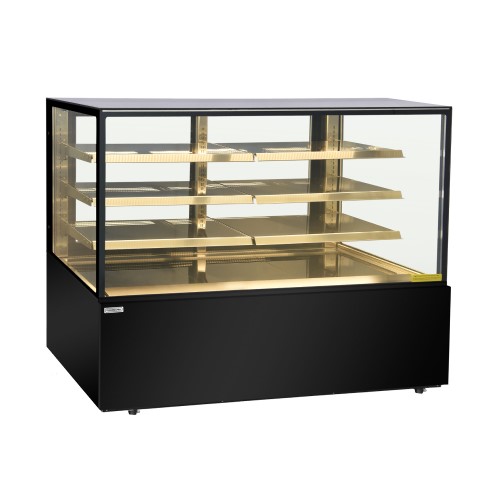
Food displays, serving lines, and cafeteria presentation equipment.
View Display Equipment →🥤 Beverage Systems
Drink preparation and serving equipment for school cafeterias.
View Beverage Equipment →📋 Get Quote
Custom equipment packages designed for your school's specific needs.
Request Custom Quote →Popular School Equipment
High-Volume Cooking
Bulk Storage
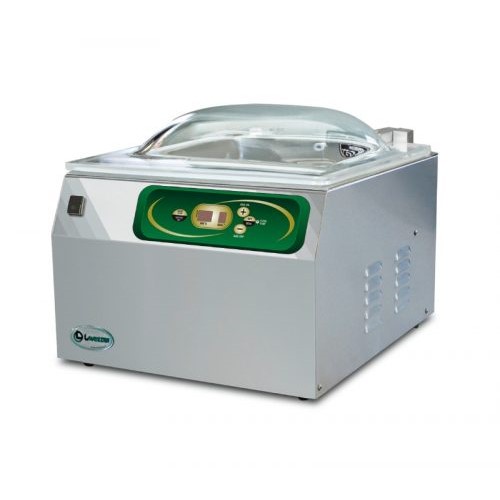
Food Preparation
Serving Solutions
Need guidance on equipment selection for your school? Our team specializes in institutional food service solutions.
Get Expert Consultation →Frequently Asked Questions
Get answers to common questions about school kitchen equipment in Kenya
School kitchen equipment costs range from KSh 1.2 million for budget-conscious setups to KSh 5 million or more for premium high-volume operations. Mid-range comprehensive solutions typically cost KSh 2.5 million to KSh 4 million, providing complete cooking, refrigeration, preparation, and serving capabilities.
Budget packages (KSh 1.2-1.8 million) include basic gas ranges, large capacity rice cookers, commercial refrigerators, stainless steel work tables, and basic serving equipment. Mid-range options add steam kettles, tilting skillets, convection ovens, walk-in coolers, commercial mixers, and complete serving lines.
Your final cost depends on student population, meal preparation approach (on-site versus off-site preparation), and menu complexity. Schools serving 200-500 students typically need KSh 2-3 million in equipment, while institutions with 1,000+ students require KSh 4-6 million for adequate capacity.
Large-scale cooking equipment like 40-gallon steam kettles can prepare meals for 300-500 students per batch. Tilting skillets handle 200-400 portions, while commercial mixers (60-80 quart capacity) process ingredients for 500+ students when preparing bread or chapati.
Capacity planning should account for 1.5 times your seating capacity during peak lunch periods. Kenyan schools often experience concentrated lunch rushes between 12-2 PM. Equipment should handle simultaneous preparation of multiple menu items to serve all students within reasonable timeframes.
Consider your service style when calculating capacity. Buffet-style service with multiple serving stations processes students faster than single-line service. Walk-in coolers and freezers provide bulk storage for weekly or monthly deliveries, reducing daily preparation pressure and allowing efficient purchasing.
Essential school cafeteria equipment includes large-scale cooking equipment (steam kettles, tilting skillets, convection ovens), bulk refrigeration (walk-in or reach-in units), food preparation equipment (commercial mixers, vegetable peelers, prep tables), and serving line equipment (hot wells, cold wells, sneeze guards).
Cleaning and sanitation equipment is critical for food safety compliance, including commercial dishwashers and three-compartment sinks. Storage equipment like stainless steel shelving and food containers keeps ingredients organized and accessible during meal preparation.
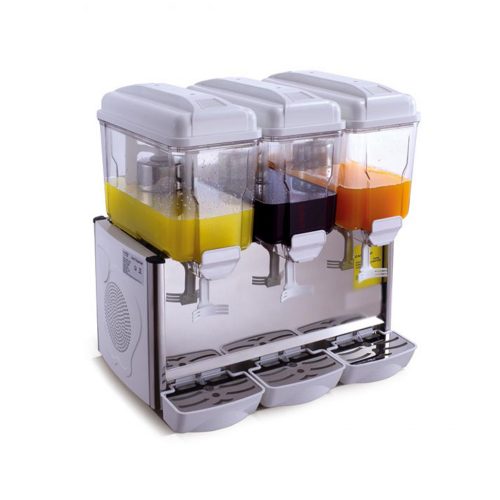
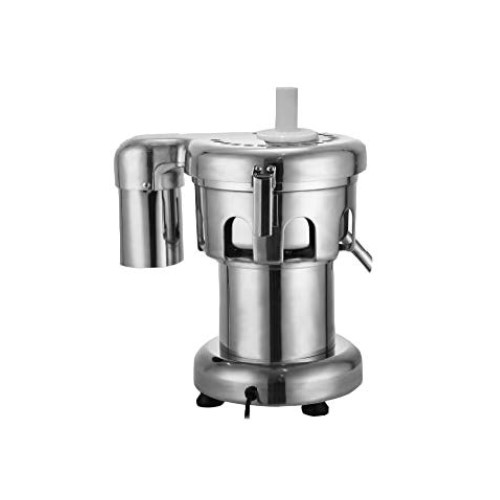
Schools preparing traditional Kenyan meals need equipment for cooking ugali, rice, sukuma wiki, and stews in large quantities. Beverage service equipment like water dispensers and juice machines completes the cafeteria setup. Work with institutional food service specialists to design systems matching your specific menu and student population.
Schools should allocate 15-25% of their feeding program budget to kitchen equipment during initial setup. Operational budgets need 5-10% annually for maintenance, repairs, and eventual replacement. Energy costs for refrigeration and cooking add 8-12% of monthly food service expenses.
Phased implementation helps spread costs over time. Start with essential cooking and refrigeration equipment in year one (KSh 1.5-2 million), add preparation equipment in year two (KSh 500,000-800,000), and upgrade serving systems in year three (KSh 300,000-600,000).
Consider total cost of ownership when budgeting. Energy-efficient equipment costs more initially but reduces operating expenses significantly with Kenya's electricity rates. Calculate annual energy costs based on equipment wattage and expected usage hours to understand long-term financial impact.
New equipment offers warranties, better energy efficiency, and longer operational life, making it ideal for critical items like refrigeration systems and cooking equipment. Used equipment can reduce initial investment but requires thorough inspection and may have higher maintenance costs.
For schools with limited budgets, quality used equipment for non-critical items like prep tables, shelving, and utility carts extends available funds. However, prioritize new equipment for refrigeration, cooking appliances, and dishwashers to ensure food safety compliance and operational reliability.
Professional guidance helps evaluate used equipment condition and true value. Consider remaining useful life, energy efficiency ratings, and availability of replacement parts when deciding. New equipment from reputable suppliers includes installation support and service agreements, protecting your investment during critical startup phases.
Daily maintenance includes cleaning according to manufacturer guidelines and basic operational checks. Professional inspections should occur monthly for refrigeration systems and quarterly for cooking equipment to prevent breakdowns and ensure food safety compliance throughout the school term.
Heat, humidity, and dust in Kenya's climate accelerate equipment wear. Establish comprehensive cleaning protocols and staff training programs on proper equipment use and care. Regular maintenance prevents small problems from becoming expensive repairs that disrupt meal service.
Budget 5-10% of equipment value annually for maintenance and repairs. Develop relationships with local service providers before problems occur. Keep documentation of all maintenance activities for health department inspections and equipment warranty compliance.
Kitchen space requirements depend on student population and preparation approach. Schools preparing meals on-site need approximately 15-20 square feet per 100 students served. This includes cooking areas, preparation zones, storage, dishwashing, and serving spaces.
A school serving 500 students typically needs 750-1,000 square feet for kitchen operations, while institutions with 1,000+ students require 1,500-2,000 square feet. Schools receiving pre-prepared meals for reheating need less space, approximately 10 square feet per 100 students.
Adequate storage space is essential for bulk purchasing. Walk-in coolers require 80-120 square feet, while dry storage needs 100-150 square feet for monthly supplies. Proper workflow design maximizes efficiency, separating receiving, storage, preparation, cooking, and serving zones.
Monthly energy costs for school kitchen equipment serving 500 students typically range from KSh 20,000 to KSh 40,000, depending on equipment efficiency and usage patterns. Refrigeration represents 40-50% of energy costs, cooking equipment 30-40%, and dishwashing 10-15%.
Calculate costs by multiplying equipment wattage by daily operating hours and Kenya's electricity rates (KSh 15-25 per kWh). Walk-in coolers consume significant power (KSh 8,000-15,000 monthly), while reach-in refrigerators cost KSh 3,000-6,000 monthly per unit.
Energy-efficient equipment reduces operational costs by 25-40% compared to standard models. Consider total cost of ownership over equipment lifetime when making purchasing decisions. Gas cooking equipment often has lower operating costs than electric in Kenya's market.
Schools must follow Kenya Bureau of Standards requirements for all food service equipment. Health department inspections verify proper refrigeration temperatures (4°C or below for cold storage), adequate dishwashing systems (three-compartment sinks or commercial dishwashers), and appropriate food preparation surfaces.
Proper ventilation systems remove cooking smoke and maintain air quality in kitchens. Fire safety equipment including extinguishers and suppression systems must meet building code requirements. All equipment must have appropriate electrical certifications and proper installation.
Maintain detailed cleaning schedules and temperature logs for inspections. Train staff on food safety procedures and proper equipment use. Regular self-inspections identify potential violations before official health department reviews, protecting your school feeding program license.
Several financing options help schools acquire necessary kitchen equipment. Government programs occasionally provide funding for school feeding infrastructure. Development organizations and NGOs often support educational institution kitchen projects through grants and low-interest loans.
Equipment suppliers sometimes offer payment plans or leasing arrangements spreading costs over 12-36 months. Banks provide commercial equipment loans with competitive interest rates for established schools with solid financial records. School feeding programs with proven track records qualify for better financing terms.
Explore multiple financing sources before committing to purchases. Government programs like school feeding initiatives may include equipment support. Partner with reputable suppliers who understand institutional financing needs and can structure payment terms matching school budget cycles and cash flow patterns.
Still Have Questions?
Our team of institutional kitchen equipment specialists is ready to help you find the perfect solution for your school.
Contact Our ExpertsWhy Choose Nairobi Kitchen Care?
Nairobi Kitchen Care (NKC) specializes in institutional food service solutions throughout Kenya. Our experience with schools ranges from small rural institutions to large urban campuses serving thousands of students daily.
- 📞 Phone: 0725 351 079
- ✉️ Email: info@nkc.co.ke
- 🌐 Website: www.nkc.co.ke
- 🏢 Serving All of Kenya
Our team of experts is ready to help you design and implement a school kitchen solution that meets your needs and budget. From initial planning through installation and ongoing support, NKC provides the expertise and equipment your school needs for successful food service operations.